
Last updated July 26, 2026
Roof Repair Maintenance Schedule: What to Do and When
The costliest roof repairs in Los Angeles are almost always discovered in November - the direct result of skipping a September inspection that would have caught the problem for a few hundred dollars. After 42 years in this business, we’ve learned that LA’s Mediterranean climate lulls homeowners into a dangerous rhythm: ten months of sunshine, followed by a compressed wet season that exposes every weakness at once. In this guide, we’ll show you why a calendar-month schedule fails in Southern California, how to build a maintenance rhythm around Santa Ana winds and winter rains, and the simple roof log that protects your warranty and your resale value.
Quick Answer
A roof maintenance schedule for Los Angeles should center on two critical inspections each year: one in September before Santa Ana winds arrive, and another in November after the first significant rain. Between these inspections, homeowners should clear debris quarterly, maintain drainage paths monthly during leaf season, and adjust inspection frequency based on roof age - every six months for roofs over 15 years, annually for newer systems.
Table of Contents
- Why Calendar Months Fail in Los Angeles
- The September Inspection: Before Santa Ana Winds
- The November Inspection: After First Rain
- The Ground-Level and Ladder Checklist
- How to Keep a Roof Log That Pays Off
- The Maintenance Tasks That Void Warranties
- How Roof Age Changes Your Schedule
- Common Mistakes to Avoid
- When to Call a Professional
- Frequently Asked Questions
- The Bottom Line
Why Calendar Months Fail in Los Angeles
The national roofing industry pushes a familiar calendar: inspect in spring, clean gutters in fall, check after winter storms. This schedule works in Minneapolis or Boston, where freeze-thaw cycles and consistent snow loads create predictable damage patterns. Los Angeles operates on entirely different physics.
Our threat profile is specific and compressed. Santa Ana winds arrive between September and January, often gusting past 60 mph, lifting improperly secured shingles and driving debris into drainage systems. Then the wet season concentrates between November and March, dumping the majority of our annual rainfall in a handful of intense events. A roof that survives the winds intact can still fail catastrophically if clogged drains pond water during a February atmospheric river.
We’ve inspected roofs in Pasadena where the September wind damage was invisible from the ground until November rain turned a few lifted shingles into soaked decking and a $4,000 interior repair. The homeowner followed a generic “spring and fall” schedule religiously. The problem wasn’t negligence - it was the wrong framework for this climate.
Los Angeles also presents unique environmental stressors that calendar schedules ignore. Coastal neighborhoods from Santa Monica to San Pedro face salt air corrosion on metal flashings and fasteners. Inland valleys in the San Fernando basin and San Gabriel Valley experience wider temperature swings, accelerating thermal expansion fatigue. The urban heat island effect in dense neighborhoods like Koreatown and Downtown LA can keep roof surfaces 20 degrees hotter than surrounding areas, degrading asphalt shingles faster than manufacturer test data predicts.
The right schedule for Los Angeles is event-driven, not date-driven. Two inspection windows, timed to our actual weather threats, catch problems when they’re still cheap to fix.
The September Inspection: Before Santa Ana Winds
Santa Ana winds have peeled shingles off roofs we’ve maintained in the foothill communities below the Angeles National Forest. The damage pattern is consistent: shingles that were already loose or poorly sealed lift at the corners, then tear completely in subsequent gusts. September is your last chance to find and secure them.
This inspection focuses on wind resistance and pre-winter readiness. Here’s what to check:
- Shingle seal integrity. Run your hand lightly across shingle edges at the rake and eave lines. Lifting corners indicate broken sealant strips, common after LA’s hot, dry summers. GAF and Owens Corning both specify that resealing requires manufacturer-approved adhesive - not roofing cement from the hardware store.
- Fastener exposure. Check for nail pops along ridges and in valleys. The thermal cycling of a San Fernando Valley summer loosens fasteners in sheathing that expands and contracts daily. Each exposed fastener is a wind-lift point and a leak path.
- Flashing security. Wind gets under loose step flashing at walls and chimney saddles. In our experience, homes in the Hollywood Hills and Laurel Canyon see more flashing displacement than flatland properties due to accelerated wind patterns around ridgelines.
- Drainage path clearance. Santa Anas deposit leaves, palm fronds, and construction debris from miles away. Scuppers, gutters, and downspouts must be completely clear before the first rain - not after.
- Tree contact. Any branch within six feet of the roof surface will rub in wind, abrading granules and wearing through shingle substrate. September is the right month to trim before winter growth resumes.
Document everything with dated photos. If you find lifted shingles or exposed fasteners, this is our Roof Repair services territory, not monitoring territory. The cost of spot repairs in September typically runs $250-$600 in the Los Angeles market. The cost of wind-torn shingles plus water damage in November runs $2,000-$8,000.
Our Roof Repair in Los Angeles crews complete most September prep work in a single visit, with upfront pricing that doesn’t change when we find additional issues. The number on the estimate is the number on the invoice.
The November Inspection: After First Rain
The first meaningful rain of the season - typically between late October and mid-November in Los Angeles - is the most valuable diagnostic tool your roof will receive all year. Water reveals what dry inspection cannot: subtle leak paths, inadequate drainage, and compromised underlayment.
Wait for a rain of at least 0.25 inches, then inspect 24-48 hours after it ends. This timing matters: immediate inspection shows surface ponding, while the slightly delayed inspection reveals whether water is still migrating or trapped.
Here’s the post-rain checklist:
- Interior ceiling and wall checks. Start inside. Stains that appear after first rain indicate active leaks that opened during summer heat stress or wind events. Check closet ceilings, garage drywall, and the attic with a flashlight. Water trails on rafters or insulation compression are early indicators.
- Gutter overflow patterns. Walk the perimeter and look for mud splatter on siding, eroded soil below downspouts, or water marks on fascia boards. These indicate gutters that backed up during the storm - either from debris or insufficient capacity for LA’s intense rainfall rates.
- Valley and penetration performance. Valleys handle the highest water volume. From the ground with binoculars, look for debris accumulation, granule loss in the channel, or staining that suggests water lingered rather than drained. Check plumbing vents, furnace flues, and skylight curbs for sealant gaps.
- Flat roof ponding. For low-slope sections common in Mid-Century Modern homes from the Hollywood Hills to Long Beach, ponding that remains 48 hours after rain indicates inadequate slope or blocked drains. Standing water degrades every roofing membrane, including the premium systems we install from CertainTeed and Atlas.
- Tile roof debris in valleys. Concrete and clay tile roofs, prevalent throughout Los Angeles from Spanish Colonial Revival homes in Hancock Park to ranch houses in the Valley, shed broken pieces into valleys. These shards dam water and accelerate wear on the underlayment below.
The November inspection often reveals problems that were invisible in September. A roof that passed the wind check can still fail the water test. This is why the two-inspection model works: each catches what the other misses.
The Ground-Level and Ladder Checklist
We do not recommend homeowners walk their roof field. Steep pitches, fragile tile, and the hidden weakness of aged decking create genuine fall and structural hazards. The good news: most critical inspection tasks can be completed from the ground, from a ladder at the eaves, or from inside the attic.
From the ground (binoculars recommended):
- Missing or displaced shingles, especially along ridges and hips
- Sagging ridge lines or depressions in the roof plane
- Discoloration streaks indicating algae or moisture retention
- Damaged or missing vent caps and chimney caps
- Tree contact or overhanging branches
- Excessive granule accumulation in gutters or at downspout exits
From a ladder at the eaves (never above the second rung from top, with a spotter):
- Gutter attachment and slope - water should flow toward downspouts
- Fascia and soffit condition - soft spots indicate rot from chronic overflow
- Shingle overhang at eaves - should extend 1/2 to 3/4 inch past drip edge
- Visible underlayment at eaves or rakes - indicates shingle loss or wind lift
- Animal entry points - gaps at eaves, chew marks, nesting debris
From the attic (during daylight, with flashlight):
- Daylight visible through roof deck - indicates holes or gaps
- Water stains on rafters, decking, or insulation
- Mold or mildew odor, especially near penetrations
- Compressed or displaced insulation from water weight
- Proper ventilation - soffit vents should not be blocked by insulation
In our 42 years, the most expensive repairs we’ve handled in Los Angeles started with a homeowner who noticed something from the ground, waited to “see if it got worse,” and then called after the ceiling collapsed. If you see daylight from the attic, you have an active emergency. Call us - or read our Roof Repair Warning Signs Every Homeowner Should Know for guidance on when to act immediately. A live person answers 24/7, including nights and weekends.
How to Keep a Roof Log That Pays Off
A roof log is simply a dated record of observations, maintenance actions, and professional inspections. It costs nothing and routinely saves homeowners thousands during insurance claims and property sales.
We’ve seen roof logs determine claim outcomes after wind events in the Pacific Palisades and Bel Air fires. Insurance adjusters look for evidence of maintenance - or its absence. A documented history of regular inspection and prompt repair supports your position that damage was sudden and covered, not gradual and excluded.
At resale, a roof log signals a maintained home. In Los Angeles’s competitive market, buyers and their inspectors gravitate toward sellers who can demonstrate care with specifics, not assurances.
Here’s what to record:
- Date and weather conditions for every inspection
- Photos of all four roof elevations, gutters, and any areas of concern
- Specific observations - “Three lifted shingles at south ridge, east end”
- Maintenance actions taken - gutter cleaning, tree trimming, debris removal
- Professional service dates and findings - keep all written reports
- Material details - shingle brand (GAF, Owens Corning, etc.), installation date, warranty terms
- Weather events - Santa Ana dates, hail, significant rain with any observed effects
Store digital copies in cloud storage and physical copies with your home records. Update the log during both inspection windows and after any significant weather event. The fifteen minutes this takes pays for itself many times over.
The Maintenance Tasks That Void Warranties
Manufacturer warranties from GAF, CertainTeed, Owens Corning, IKO, Atlas, and others contain maintenance clauses that homeowners rarely read. We’ve encountered denied claims in Los Angeles where the failure was real but the maintenance record was not.
The most common warranty-voiding omissions:
Debris accumulation on the roof surface. Leaves, palm fronds, and construction dust trap moisture against shingles, accelerating granule loss and promoting algae growth. Most manufacturer warranties require “reasonable maintenance” including debris removal. In LA’s dense canopy neighborhoods - Los Feliz, Hancock Park, parts of Pasadena - quarterly clearing is necessary to satisfy this clause.
Blocked drainage systems. Gutters and downspouts must remain functional. Water backup that causes edge rot or fascia damage is typically excluded when the cause is maintenance neglect. The intense, short-duration rain events common to Los Angeles overwhelm blocked systems quickly.
Improper repairs or modifications. Using non-approved sealants, installing satellite dishes with improper flashing, or allowing unqualified workers to walk the roof can all void coverage. We’ve seen warranty claims denied because a homeowner’s handyman patched a leak with roofing cement instead of manufacturer-specified materials.
Inadequate ventilation modifications. Adding insulation without maintaining soffit-to-ridge airflow can create moisture conditions that void material warranties. This is common in older Los Angeles homes where owners upgrade attic insulation without understanding the ventilation balance.
Keep receipts and photos of all maintenance. If you hire Roof Replacement & Installation in Los Angeles professionals, ensure they document their work with photos from your actual roof - not generic reports. Our technicians photograph every inspection; these images become part of your warranty defense if needed.
How Roof Age Changes Your Schedule
A five-year-old roof and a twenty-year-old roof should not share the same maintenance calendar. Age changes failure modes, inspection priorities, and the financial logic of repair versus replacement.
0-5 years: Focus on installation defect detection and warranty preservation. Check annually in September. Common issues in this window include inadequate sealant cure (especially if installed in cool weather), fastener pattern errors, and flashing details that fail as materials settle. Most problems are covered under workmanship or material warranties - but only if documented promptly.
6-12 years: Transition to the full two-inspection model. Granule loss becomes measurable. Thermal cycling in inland Los Angeles neighborhoods begins degrading shingle flexibility. Check for early signs of ventilation-related moisture in the attic. This is the optimal window for proactive repairs that extend service life.
13-20 years: Inspect every six months. Shingle brittleness increases; wind lift becomes more likely. Fastener corrosion accelerates in coastal exposure. The financial calculation shifts: a $400 repair on a 15-year roof makes sense if the system has remaining service life. The same repair on a failing roof is money spent twice. We help homeowners in this bracket evaluate repair versus replacement with honest assessments - no pressure, just the condition as we find it. For context, see our Roof Repair Troubleshooting: Common Problems and How to Fix Them.
21+ years: Monthly visual checks from the ground, professional inspection every six months, and active replacement planning. Most asphalt shingle roofs in Los Angeles achieve 20-25 years with proper maintenance; beyond this, failure modes compound rapidly. We provide Specialty Roofing in Los Angeles options including longer-life materials for homeowners who intend to stay in place indefinitely.
The age-based schedule also affects material choices when replacement becomes necessary. A homeowner at age 65 with a 22-year-old roof who plans to age in place should consider whether another 20-year shingle cycle makes sense, or whether a longer-duration system from our manufacturer lines better serves their timeline.
Common Mistakes to Avoid
- Waiting for visible interior leaks. By the time water stains appear on ceilings, decking and insulation have already been compromised. In Los Angeles’s dry climate, mold can establish in wall cavities during the months between leak onset and visible detection.
- Pressure-washing the roof. The high-pressure spray strips protective granules, voids warranties, and forces water under shingles. We’ve replaced roofs prematurely because a “cleaning” destroyed the surface layer. Gentle chemical treatment for algae is the correct approach.
- Ignoring flat roof sections. Many Los Angeles homes combine pitched and low-slope areas - over garages, additions, or Mid-Century wings. These flat sections require different inspection timing and often fail first due to ponding and UV exposure.
- Using national maintenance calendars. The “spring and fall” schedule misses LA’s specific threat windows. September and November inspections catch Santa Ana and wet-season damage that April and October inspections would miss entirely.
- Neglecting the attic. Some of the most informative inspection evidence lives inside, not outside. Ventilation problems, insulation displacement, and early moisture signs are attic-visible before they’re roof-surface visible.
- Hiring unverified contractors after storms. Los Angeles attracts out-of-area operators after significant wind or fire events. Verify local licensing, request proof of insurance, and confirm the company has a physical address in the region. We’ve been here since 1984; we’ll be here when the next storm passes.
- Skipping documentation. Memory fails. Warranties require proof. Buyers demand records. The roof log takes minimal effort and provides maximum protection.
When to Call a Professional
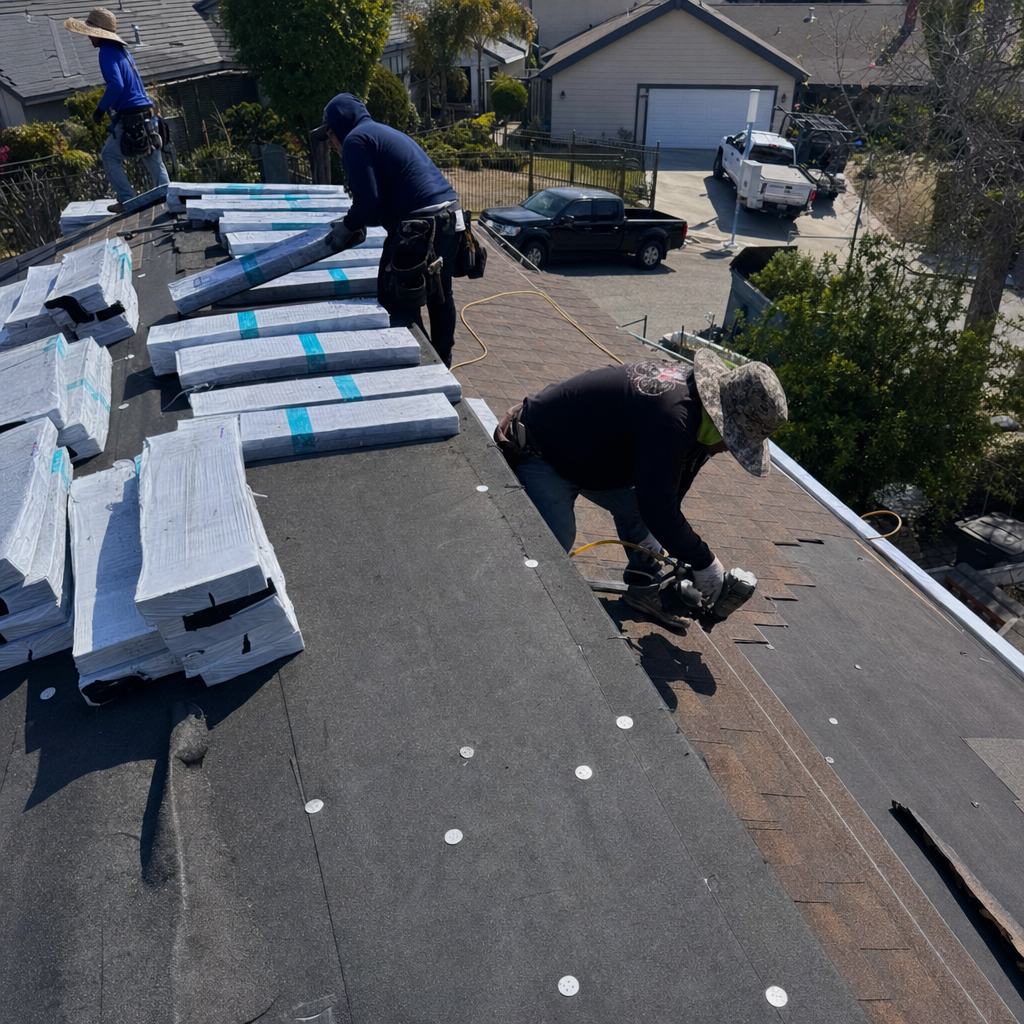
Some conditions demand immediate professional assessment: daylight visible through roof decking, sagging roof planes, widespread shingle loss after wind events, water stains that expand between rains, or any uncertainty about safe ladder access. Steep roofs, tile systems, and structures over two stories present genuine fall hazards that warrant trained technicians with proper equipment.
Ridgeline Roofing Co. offers free estimates in Los Angeles. Our background-checked, uniformed technicians document every inspection with photos from your actual roof, and our 90-Day Done Right Promise means if it’s not right, we come back and make it right - no paperwork, no arguing. A live person answers every call at (844) 563-1816, 24 hours a day, including the middle of a storm.
Frequently Asked Questions
A thorough professional roof inspection in Los Angeles typically ranges from $150-$350, though many contractors, including Ridgeline Roofing Co., waive this fee when repair work is needed. Our $89 Seasonal Tune-Up includes full inspection, debris clearing, and gutter cleaning. Call (844) 563-1816 to schedule - estimates are free.
Most critical inspection tasks can be completed from the ground with binoculars, from a properly secured ladder at the eaves, or from inside the attic. We do not recommend homeowners walk roof fields due to fall hazards, structural uncertainty, and the risk of damaging roofing materials. If you cannot safely see a suspected problem from these positions, call a professional.
Santa Ana winds cause mechanical damage - lifted shingles, displaced flashing, torn ridge caps - that creates openings for subsequent water intrusion. Rain damage is the consequence: soaked decking, mold growth, interior staining. The September inspection catches wind damage before rain exploits it. In Los Angeles, these threats are sequential and interdependent.
Yes. Major manufacturer warranties, including those from GAF, CertainTeed, and Owens Corning, require “reasonable maintenance” including debris removal and functional drainage. Claims are routinely denied when inspection reveals accumulated debris or chronic gutter overflow. Keep dated photos and service receipts as documentation.
For roofs under 15 years with isolated damage, repair is typically more economical - $250-$800 per incident versus $15,000-$35,000 for full replacement. Beyond 20 years, repair costs often compound as multiple failure points emerge simultaneously. We provide honest assessments of remaining service life to help homeowners make this calculation without pressure. Our Free Second Opinion on Any Written Estimate ensures you have accurate information.
Most standard repairs are completed in a single visit once scheduled. Emergency response for active leaks or wind damage is available with our live-answered phones 24/7. During peak demand after major storms, scheduling may extend to several days. Preventive September inspection and repair avoids the November rush entirely.
The Bottom Line
A roof maintenance schedule built for Los Angeles centers on two inspections: September, before Santa Ana winds test every fastener and seal, and November, after first rain reveals what dry eyes cannot see. Between these windows, keep drainage clear, document everything, and adjust your vigilance to your roof’s age. The homeowners who avoid the costliest repairs are not those who spend the most - they’re those who catch problems in the narrow window when they’re still small. Explore more guides & resources to stay ahead of roof issues.
Named for the ridge - the line where a roof proves itself - Ridgeline Roofing Co. has stood behind Los Angeles roofs since 1984. We’re not chasing storms; we’re building the kind of company that serves the same neighborhoods for generations. Done right - and if it’s not, we make it right.
Written by the team at Ridgeline Roofing Co., serving Los Angeles since 2016.