
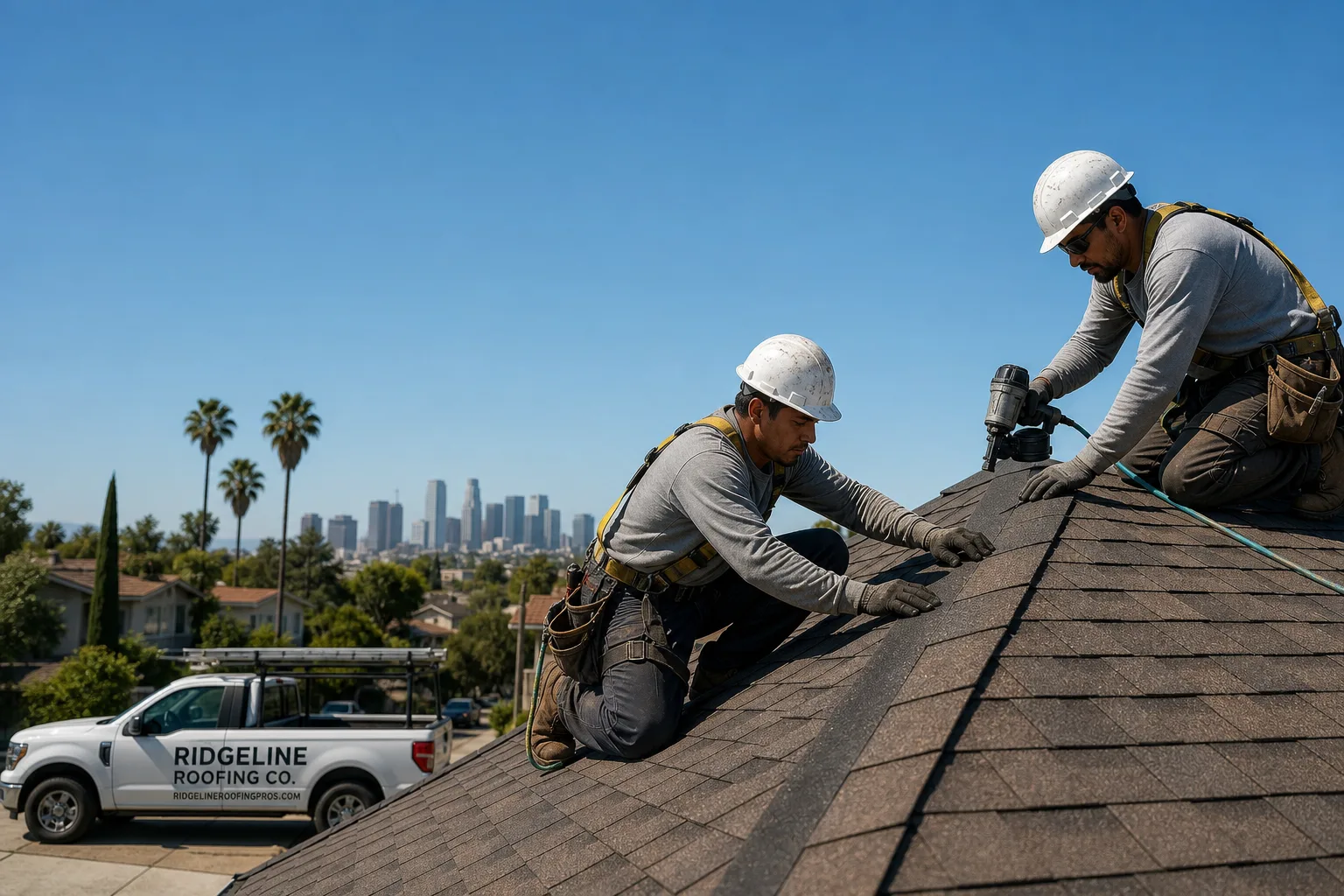
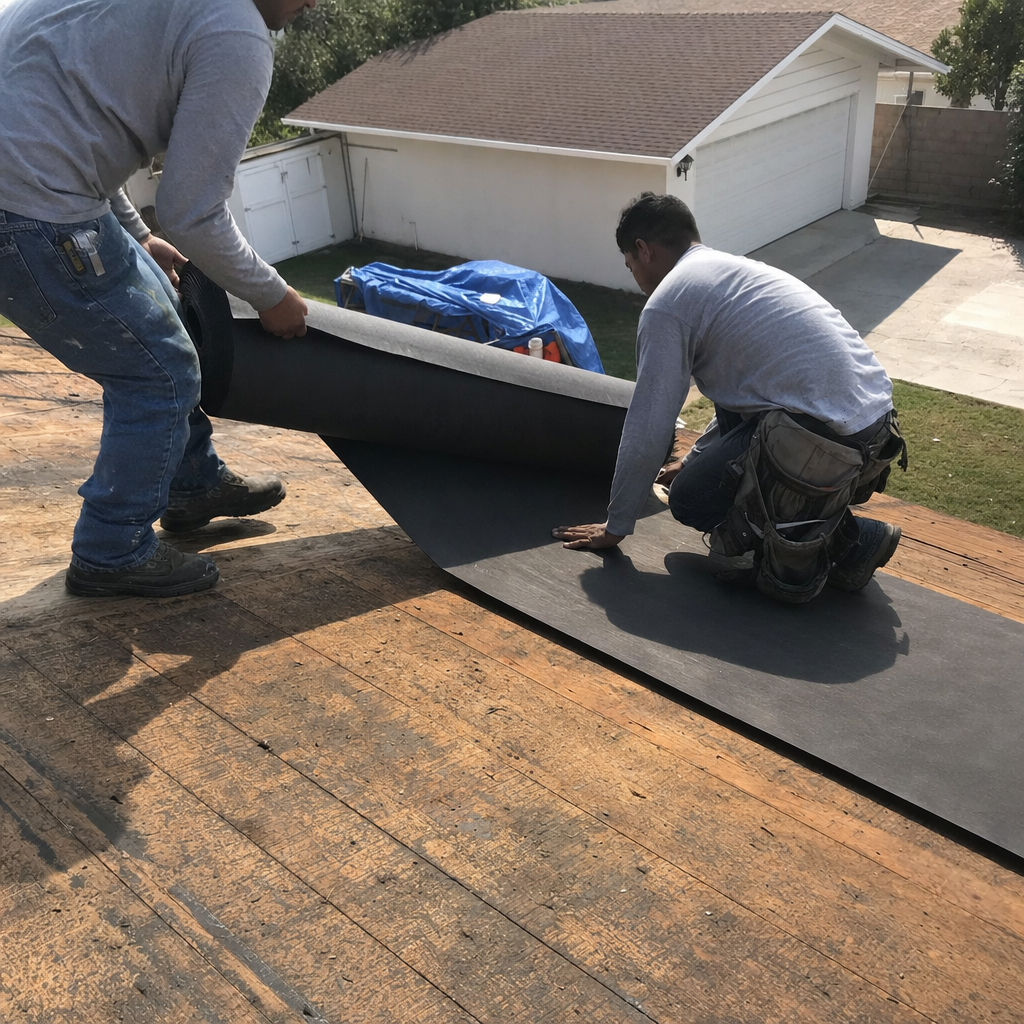
Fast, Reliable Roof Repair Across San Antonio
Most roof repairs in San Antonio run $250-$850 for standard shingle or flashing work, with clay tile restoration starting around $600-$1,400 due to specialty sourcing. We’re Ridgeline Roofing Co., and our Roof Repair crews have been climbing San Antonio roofs since 1984. A live person answers our phones 24 hours a day, including the middle of a storm, and we typically reach homes from Leon Valley to Live Oak within 90 minutes during business hours. San Antonio’s weather doesn’t wait, and neither do we.
San Antonio sits at a rough meteorological seam - Gulf moisture collides with dry plateau air, and the result is spring hailstorms that insurers classify as high-CAT-loss events. Golf-ball-sized hail strips granules from shingles in a single afternoon. Then summer UV bakes what’s left at 100°F-plus for weeks on end. And every few years, a hard freeze like February 2021’s Winter Storm Uri fractures aged clay tile mortar beds across the city. These aren’t abstract climate patterns for us. They’re the specific conditions we plan for when we repair a roof in 78201, 78202, or 78225.
Why Ridgeline Roofing Co. Is San Antonio’s Preferred Roof Repair Company
We’ve been in business over 42 years. Not as storm-chasers who follow damage reports from state to state, but as a company that hires San Antonio-area crews, trains apprentices into journeymen, and plans to still be here in thirty years. That matters when you need someone to stand behind a repair.
Our 90-Day Done Right Promise is written, not verbal. If it’s not right, we come back and make it right. No paperwork to file, no arguing, no runaround. The price we quote is the price you pay.
Every technician is background-checked and arrives in uniform. Every inspection is photo-documented from your actual roof, not a scary speech in the driveway. And when you call (844) 563-1816, a live person answers - not a voicemail tree, not a callback window, not a homeowner stranded after midnight with water coming through the ceiling.
We know San Antonio’s building stock intimately. The 78201-78210 corridor is dense with pre-WWII construction - Victorian-era homes in King William, early-20th-century craftsman bungalows in Dignowity Hill, wood-frame working-class houses across the Near West Side. Many retain original clay tile, aged felt underlayment, and hand-nailed decking that was never brought up to modern standards. We don’t treat a 1920s Dignowity Hill roof like a 2015 Alamo Ranch tract home. The repair approach is different because the structure demands it.
Our Roof Repair Services in San Antonio
Leak Repair
Leaks in San Antonio rarely announce themselves politely. They show up as water stains on ceiling drywall after a spring hailstorm, or as slow drips in the attic after wind-driven rain breaches an aging valley. We trace the source methodically - water travels, and the entry point is seldom where the stain appears. In 78207 and similar areas with mid-century flat-roof additions, we often find leaks at parapet wall flashings that were never properly sealed against our driving south winds. Our crew documents the full path with photos, repairs the source, and verifies with water testing before we leave.
Flashing Repair
Flashing is where most roofs fail first, and San Antonio’s wind patterns make this especially true. Unsealed step flashing, corroded valley metal, or improperly integrated chimney saddles all become entry points when our spring storms hit with 60-mph gusts. On low-slope commercial roofs common in the 78225 industrial corridor, we see wind-driven rain push past flashing that was adequate in calmer climates but not rated for South Texas exposure. We use GAF StormGuard and similar peel-and-stick underlayments at critical junctions, and we replace metal flashings with matching gauge material - never caulk-over as a permanent fix.
Valley Repair
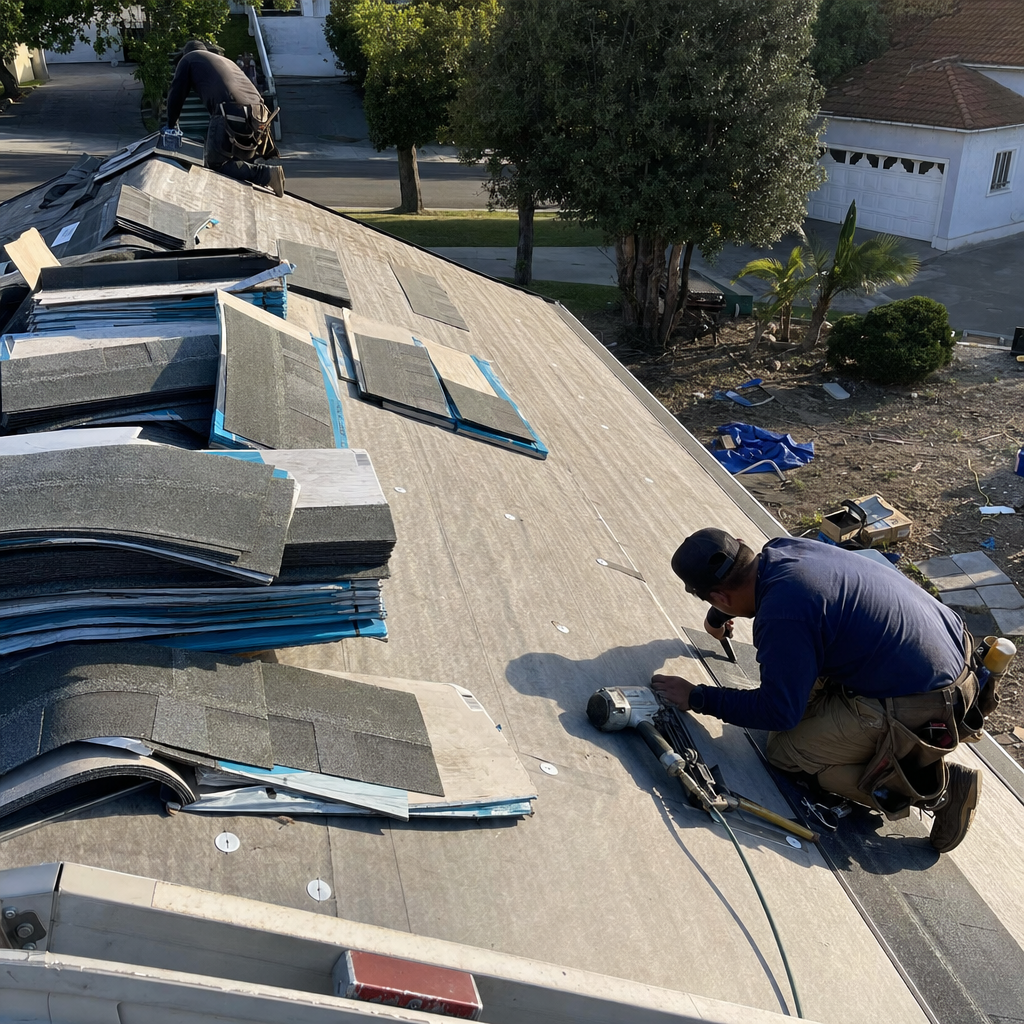
Valleys handle the highest water volume on any roof, and in San Antonio they take a beating from both debris and thermal cycling. We recently repaired a leaky valley on a 1920s craftsman bungalow in Dignowity Hill (78202) where the original clay tile had cracked during Winter Storm Uri. Our crew sourced hand-matched Boral mission tiles from a local supplier in Mexico and reinforced the underlayment with GAF StormGuard to meet current wind-load codes. That dual requirement - historic authenticity plus modern storm resilience - is standard for us, not exceptional.
Shingle Replacement
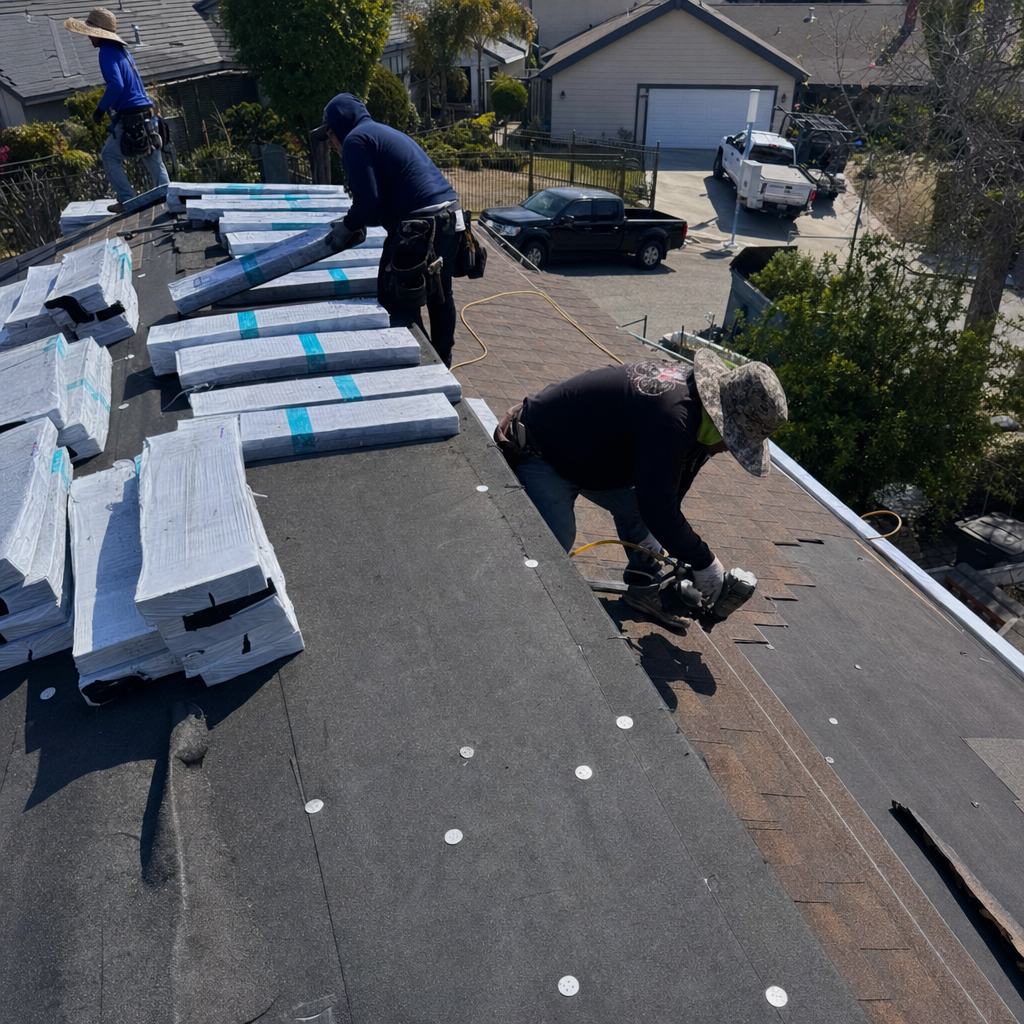
Granule loss from San Antonio’s UV-and-hail combination leaves shingles vulnerable to crack propagation in the next storm. We replace individual damaged shingles or full slopes as needed, matching existing color profiles from GAF, CertainTeed, or Owens Corning lines. For homeowners in hail-prone zones, we can upgrade to impact-rated shingles that may qualify for insurance discounts. We never substitute unauthorized materials; what we specify is what arrives on your roof.
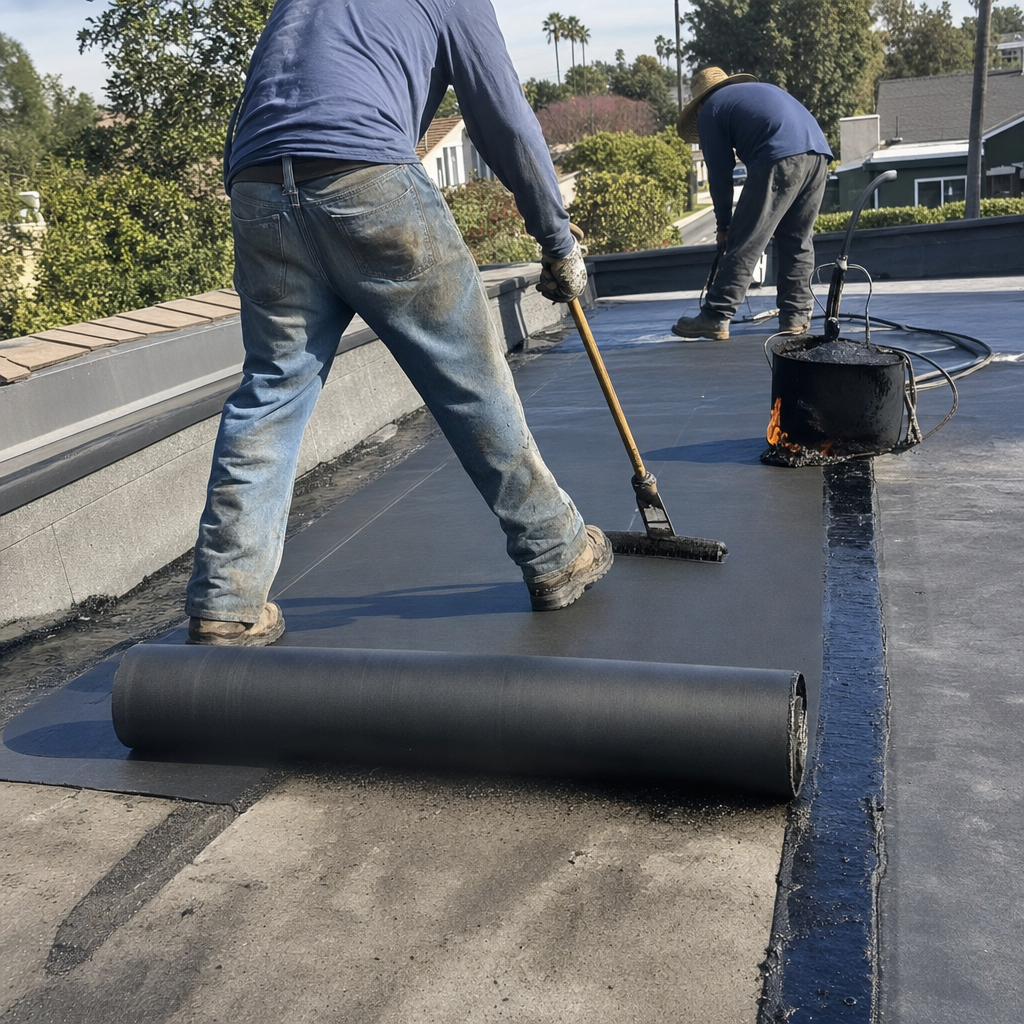
Flat Roof Patch
Flat and low-slope roofs on San Antonio’s mid-century commercial buildings and adaptively reused historic structures require different repair logic than pitched residential roofs. We patch with compatible membrane systems - TPO, modified bitumen, or EPDM depending on the existing substrate - and we always inspect the underlying deck for moisture intrusion that isn’t visible from the surface.
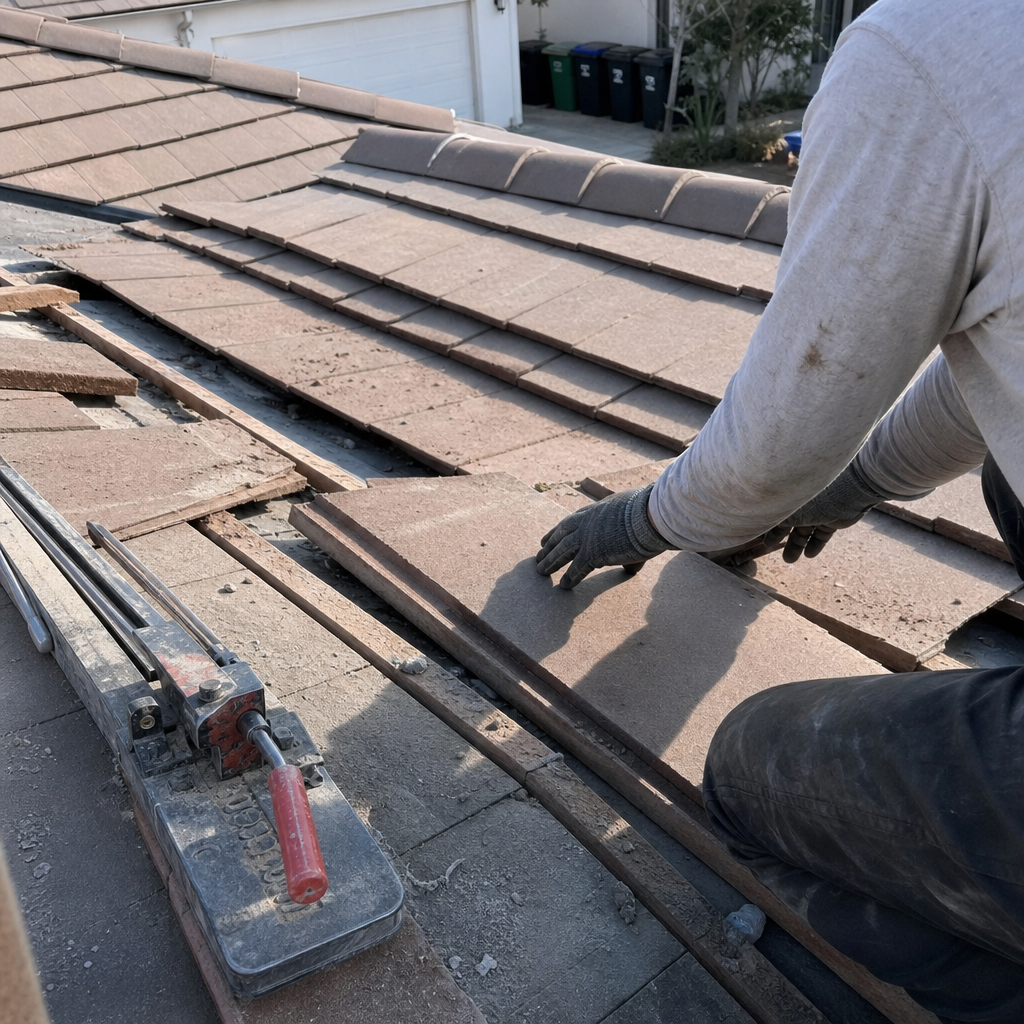
Vent Boot Repair
Cracked neoprene vent boots are a routine failure point in San Antonio’s heat, and they’re often the actual source of “mystery” leaks blamed on more expensive components. We replace with permanent lead or high-temp silicone boots, and we inspect adjacent shingles for heat degradation while we’re on the roof.
What happens when you call
- 1
A real person answersNo phone trees - you reach a local pro.
- 2
You get an upfront price rangeHonest numbers before anyone is dispatched.
- 3
A background-checked tech heads outLicensed & insured, dispatched right away.
- 4
You approve before work beginsNothing starts until you say go.
Trusted Brands We Service in San Antonio
We’re authorized installers for seven manufacturer lines: GAF, CertainTeed, Owens Corning, IKO, Atlas, Tamko, and Boral. For San Antonio homeowners, this means we stock common repair components locally rather than ordering from Dallas or Houston and leaving you exposed through another storm cycle. When a King William historic district homeowner needs Boral mission tile matched to a 1920s profile, we know which regional suppliers carry the run. When an Alamo Heights property needs GAF Timberline HDZ for a seamless repair, we have the color in stock. Fast turnaround isn’t a slogan for us. It’s inventory management we’ve refined over four decades.
Common Roof Repair Problems We See in San Antonio Homes
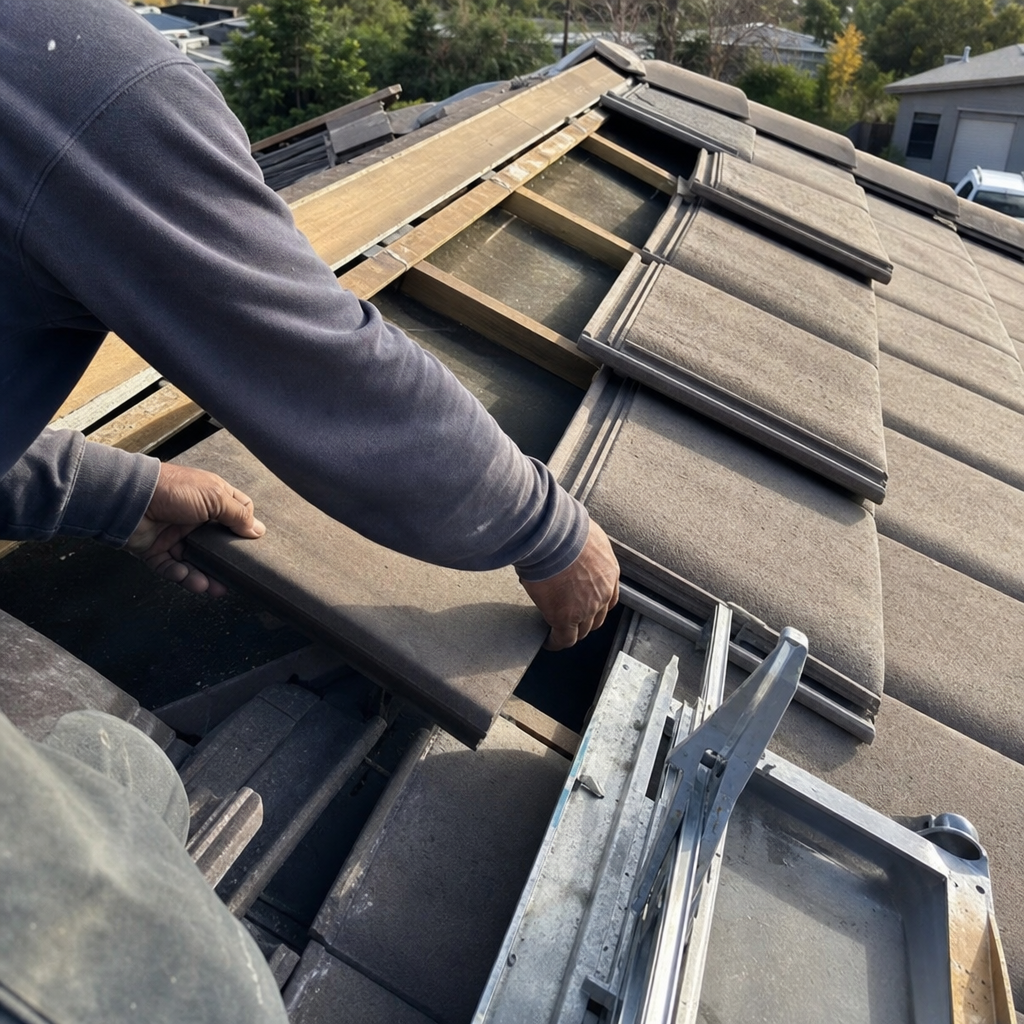
- Aging clay tile mortar beds failing in hard freezes. February 2021’s Winter Storm Uri fractured mortar beds across the city, especially in historic districts where tiles had been in place for 80-plus years. Loose tiles rattle in wind, then crack, then leak. We remove failed bedding, reinstall with modern flexible mortar, and replace cracked tiles with matched material.
- Wind-driven rain breaching unsealed flashings on low-slope roofs. Common on mid-century commercial buildings and garage additions in 78207 and 78225. The flashing itself may be intact, but the sealant has dried and separated. We clean, prime, and reseal with compatible materials, or replace metal where corrosion has compromised the flange.
- Granule loss from dual UV and hail stress. San Antonio’s combination of intense summer sun and spring hail strips protective granules faster than in either pure desert or pure humid climates. Exposed asphalt oxidizes, cracks form at stress points, and the next storm completes the failure. We assess whether spot repair or slope replacement is the honest recommendation.
- Valley corrosion and debris damming. Oak and pecan litter from San Antonio’s mature neighborhoods accumulates in valleys, holds moisture, and accelerates metal corrosion. We clean valleys thoroughly, replace corroded metal with heavier-gauge material, and install leaf diverters where tree cover is dense.
Pricing for Roof Repair in San Antonio, TX
Here’s what honest pricing looks like for our market:
| Repair Type | Typical Range in San Antonio |
|---|---|
| Shingle replacement (spot repair, 1-3 shingles) | $250-$450 |
| Leak repair (source identification + patch) | $300-$650 |
| Flashing repair (step, chimney, or wall) | $350-$750 |
| Flat roof patch (membrane repair) | $400-$900 |
| Vent boot replacement | $200-$350 |
| Valley repair (metal + underlayment) | $500-$950 |
| Clay tile replacement (standard profile, per tile) | $75-$150 per tile + labor |
| Historic mission tile restoration (specialty sourcing) | $600-$1,400+ |
What moves the number: roof pitch (steeper = more labor), material accessibility (specialty tile from Mexico adds lead time but not always cost), extent of hidden deck damage, and whether the repair requires HDRC permitting in historic districts. We provide upfront pricing before any work begins. The number on the estimate is the number on the invoice. Call (844) 563-1816 for a free, no-obligation assessment - estimates are free, and we carry the $50 Off Any Repair Over $250 offer active for San Antonio homeowners.
We Also Serve Cities Near San Antonio
Our crews regularly work in San Antonio and the surrounding communities - Leon Valley to the northwest, Lackland Air Force Base to the southwest, Converse to the east, and Live Oak to the northeast. Same standards, same live-answer phones, same 90-Day Done Right Promise. If you’re in Bexar County or the immediate surrounding area, we’re your local roofer.
Serving San Antonio, TX - Our Local Coverage Area
We’re based in the San Antonio area and know this community well. Use the map below to see our service coverage - if you’re nearby, we can almost certainly help.
FAQs - Roof Repair in San Antonio
Yes, if the tiles are visible from the street, you need a Certificate of Appropriateness from San Antonio’s Historic and Design Review Commission before work begins. The HDRC reviews material samples and installation methods to ensure visual compatibility with the district’s Spanish Colonial character. We handle this permitting as part of our standard process for historic district work - it’s not an extra service, it’s part of doing the job right in 78204. Call (844) 563-1816 and we’ll walk you through the timeline; specialty tile from Mexico often takes longer to arrive than the permit itself.
Yes, if the underlayment and mortar bedding are sound, we can replace individual cracked tiles without disturbing the surrounding field. We source matching Boral or equivalent mission tile, and we inspect the full roof while we’re up there to catch collateral damage you may not have noticed. After San Antonio spring storms, we often find that “a few cracked tiles” visible from the ground mask more extensive impact damage on slopes you can’t see from the yard. Our photo-documented inspection shows you exactly what we’re seeing.
If the membrane is cracked or separated but the insulation and deck are dry, a patch is usually sufficient. We verify this with moisture probing and infrared scanning where indicated. If water has saturated the substrate, a patch traps moisture and accelerates rot - replacement becomes the honest recommendation. Many San Antonio flat roofs over 78207 commercial buildings and garage additions were already near end-of-life before Uri; the freeze event just finished what age had started. We’ll show you the moisture readings and explain which path makes sense.
Current San Antonio building code requires roofing materials rated for 110 mph, but we specify 130 mph-rated assemblies for repairs because our spring supercell thunderstorms and occasional tropical system remnants produce gusts well above code minimum. For underlayment, we use GAF StormGuard or equivalent peel-and-stick at all valleys, eaves, and penetrations - the areas most vulnerable to wind-driven rain. If your insurance company offers a discount for impact-rated shingles, we can quote that upgrade as an option, not a pressure tactic.
Sometimes, depending on the location and extent of the damage. Localized wood shake rot near a valley or penetration can often be addressed by carefully removing and reinstalling the overlying clay tile in that area only. If the shake substrate is failing across the entire roof, partial or full replacement becomes necessary - and in San Antonio’s climate, wood shake under clay tile is a known vulnerability that we flag during inspection. We’ve worked on enough 78201 homes to know which approaches are practical and which are temporary fixes that waste your money.
Written by Pete Navarro, Owner at Ridgeline Roofing Co., serving San Antonio since 1984.