
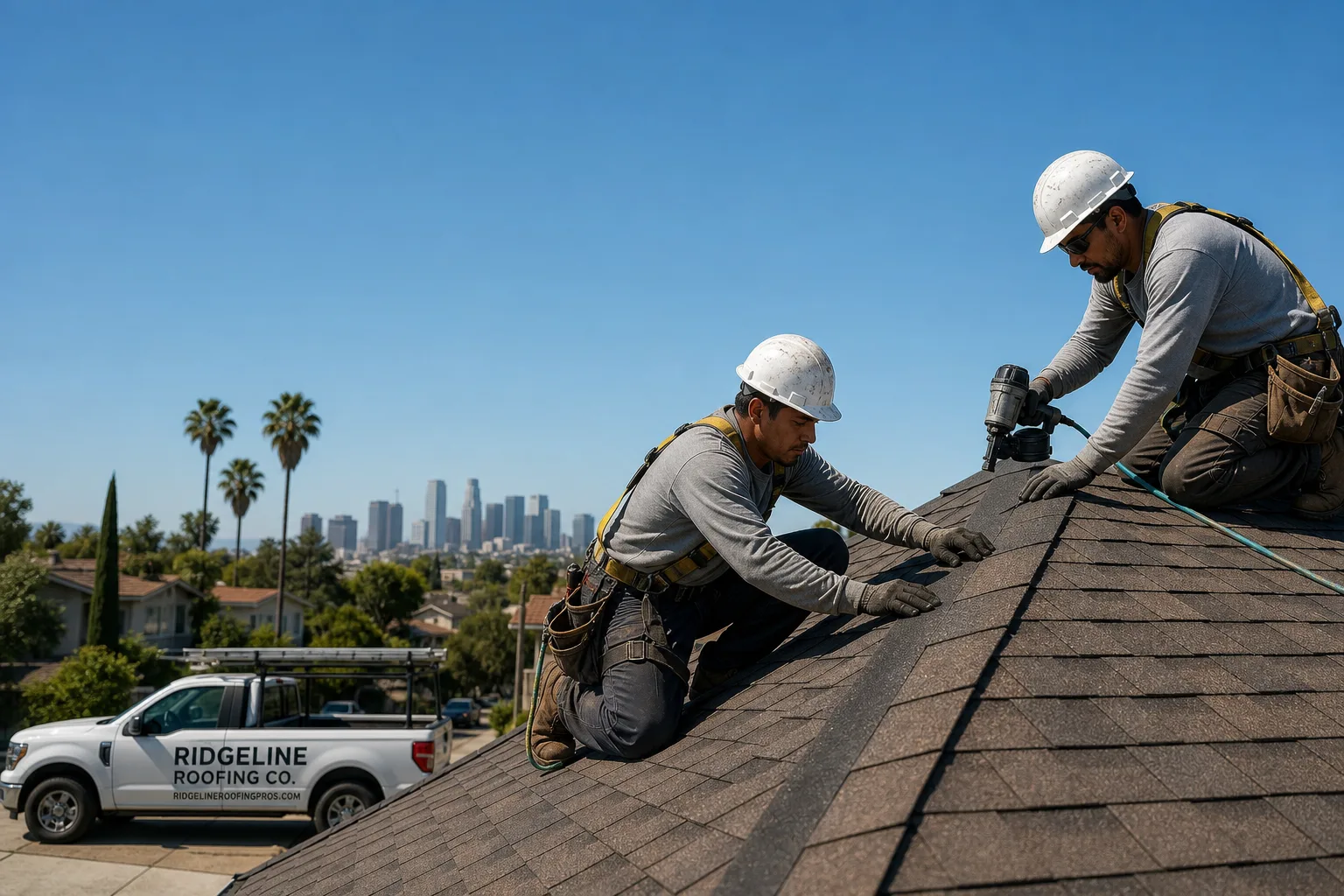
Fast, Reliable Specialty Roofing Across Brooklyn
Specialty roofing in Brooklyn runs $8,500-$22,000 depending on membrane type and whether your row house needs the full tear-off that NYC code often requires. Most of our Brooklyn customers get an inspection within 24 hours, and we carry the modified bitumen, TPO, and EPDM systems that flat-roof brownstones actually need. Call (844) 563-1816 anytime - a live person answers, even at 2 a.m. during a nor’easter.
We’ve been climbing Brooklyn roofs since 2016. We know the difference between a Park Slope brownstone with LPC oversight and a Bushwick row house that needs its scuppers cleared before the next storm. Our crews are background-checked, uniformed, and trained on the parapet flashing details that keep water out of shared party walls. When you hire Ridgeline, you’re not getting a storm chaser who’ll be in Florida next month. You’re getting a company that plans to be fixing Brooklyn roofs for another forty years.
Why Ridgeline Roofing Co. Is Brooklyn’s Preferred Specialty Roofing Company
Brooklyn homeowners remember the last contractor who let them down. We built our reputation on being the one they call back.
Our reviews come from people like the owner of a three-story limestone on President Street who needed parapet coping replacement after Hurricane Ida, or the landlord of a six-unit building near Atlantic Avenue whose legacy built-up roof had been patched so many times the deck was spongy. They mention the same things: we showed up when we said we would, we photographed everything from the roof surface, and we explained the job in plain English before anyone signed anything.
Response time to Brooklyn is same-day or next-day for inspections. We’re not driving in from Suffolk County. Our dispatch knows that a nor’easter hitting Brooklyn means flat-roof drainage calls from Bay Ridge to Bed-Stuy, and we staff accordingly.
What separates us from contractors who work Brooklyn as just another ZIP code is this: we understand that your 1920s row house roof is not a suburban shingle job. The flashing details at your parapet wall, the shared waterproofing with your attached neighbor, the accumulated layers of modified bitumen that NYC code says must come off - these are not footnotes. They are the job.
Our Specialty Roofing Services in Brooklyn
Modified Bitumen Roofing
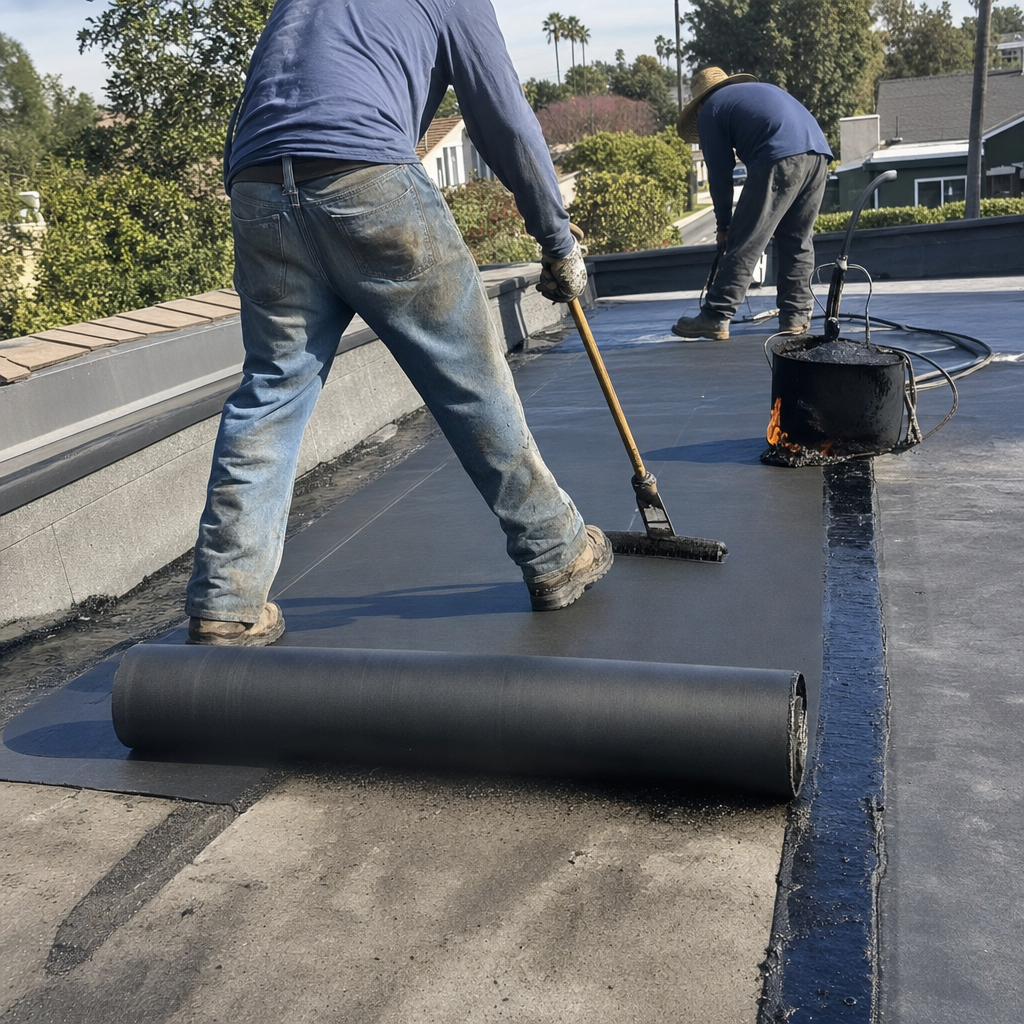
Modified bitumen is the workhorse membrane for Brooklyn’s flat and low-slope row house roofs. It’s flexible in cold weather, stands up to foot traffic during installation, and seals well at parapet walls where nor’easter winds try to peel lesser materials back. We install torch-applied and self-adhering systems from GAF and CertainTeed, matched to your roof’s condition and your building’s use. On a recent Cobble Hill job, we tore off five layers of patched built-up roofing down to the original 1920s sheathing, then installed a new modified bitumen system with fully sealed parapet flashings to handle the wet-snow load that’s typical of Brooklyn’s coastal storms.
Built-Up Roofing (BUR)
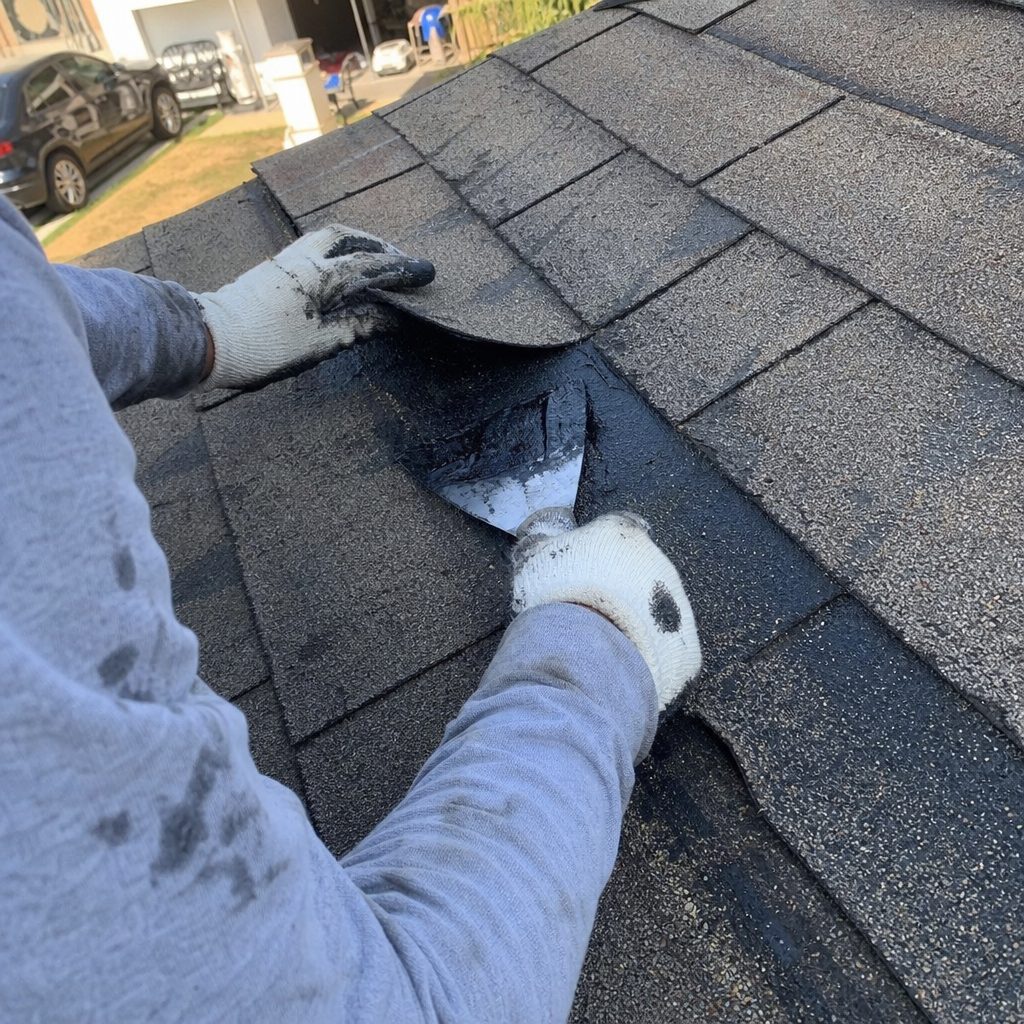
Built-up roofing is what you’ll find under those decades of patches on many Brooklyn brownstones. Multiple plies of felt and bitumen, built up over time, sometimes with gravel surfacing. The problem in Brooklyn is that these systems have been relayered repeatedly - a quick patch here, a new flood coat there - until the accumulated weight stresses the structure and trapped moisture rots the deck. NYC building code recognizes this. It often mandates full tear-off of all accumulated plies before a new membrane goes down. We do not quote over this requirement. We document the existing layers, explain the code reason, and price the tear-off honestly. No surprises when the inspector shows up.
TPO Roofing
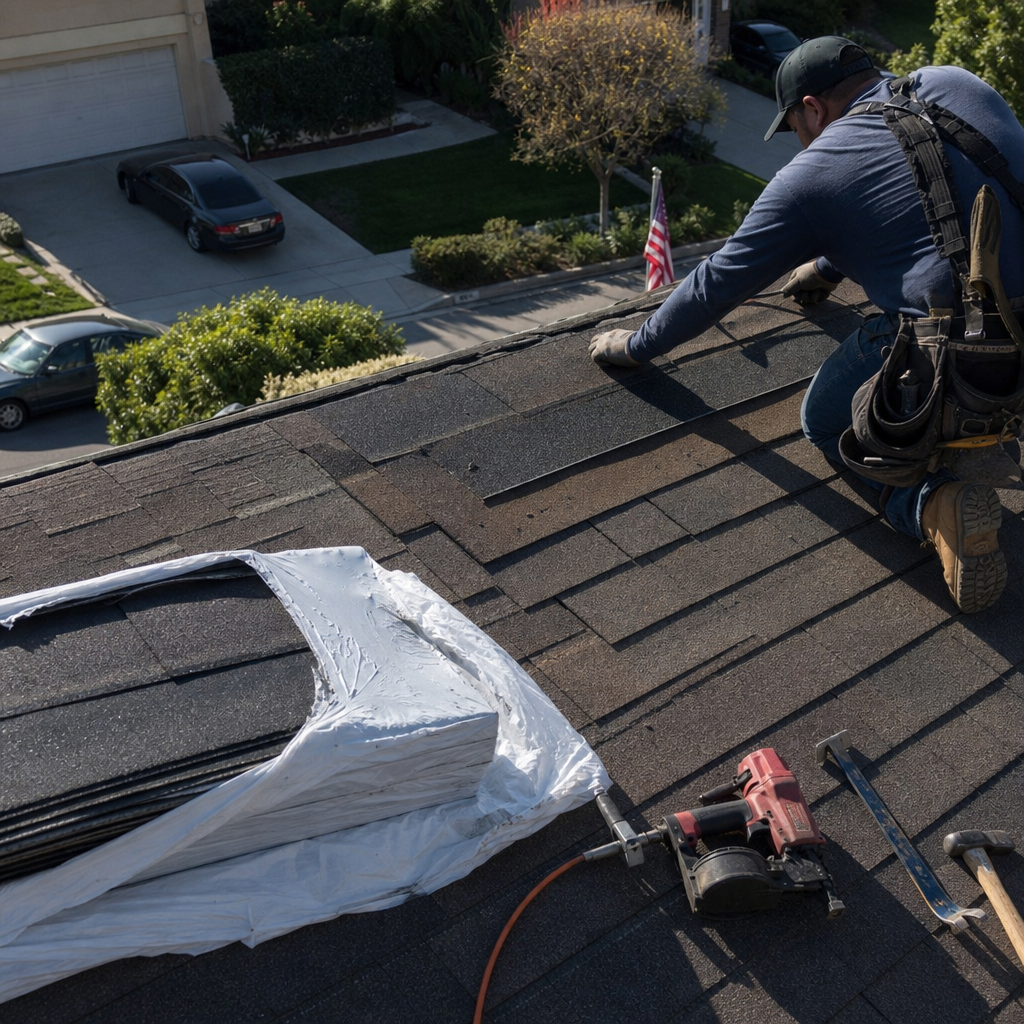
TPO - thermoplastic polyolefin - is a single-ply white membrane that reflects heat and welds together at seams for a monolithic surface. For Brooklyn row houses with rooftop HVAC units or solar panel plans, TPO’s durability and reflectivity make sense. It handles ponding water better than older materials, which matters on flat roofs where drainage scuppers clog with leaves from street trees. We install TPO from GAF and Owens Corning with full membrane adhesion or mechanically attached systems, depending on your roof deck and wind exposure near the coast.
EPDM Roofing
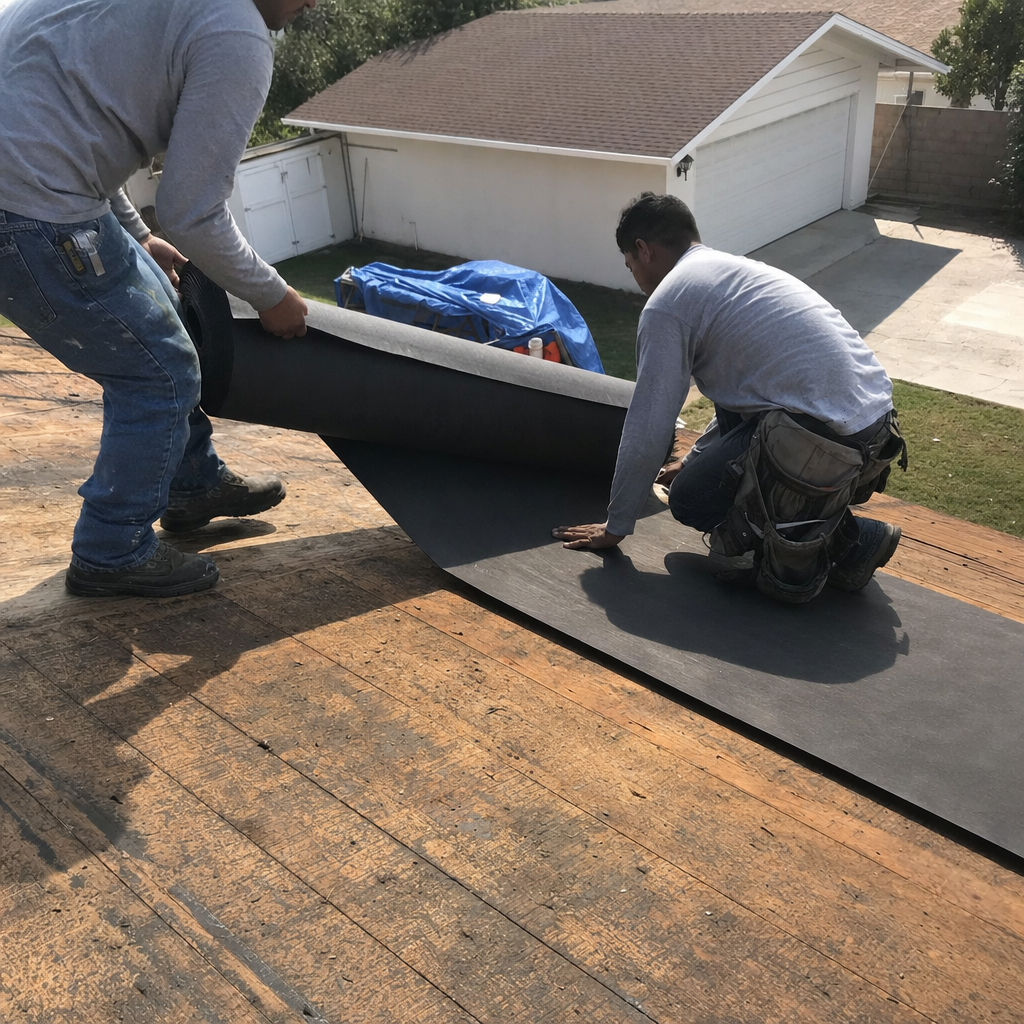
EPDM is the black rubber membrane that’s been sealing commercial and residential flat roofs for decades. In Brooklyn, we see it on low-slope additions, garage roofs, and some row house main roofs where the homeowner wants a proven material at moderate cost. EPDM stretches and recovers well from temperature swings, which helps during Brooklyn’s freeze-thaw cycles. We install fully adhered and ballasted systems, with particular attention to parapet wall terminations where wind uplift is highest.
Solar Ready Roofing
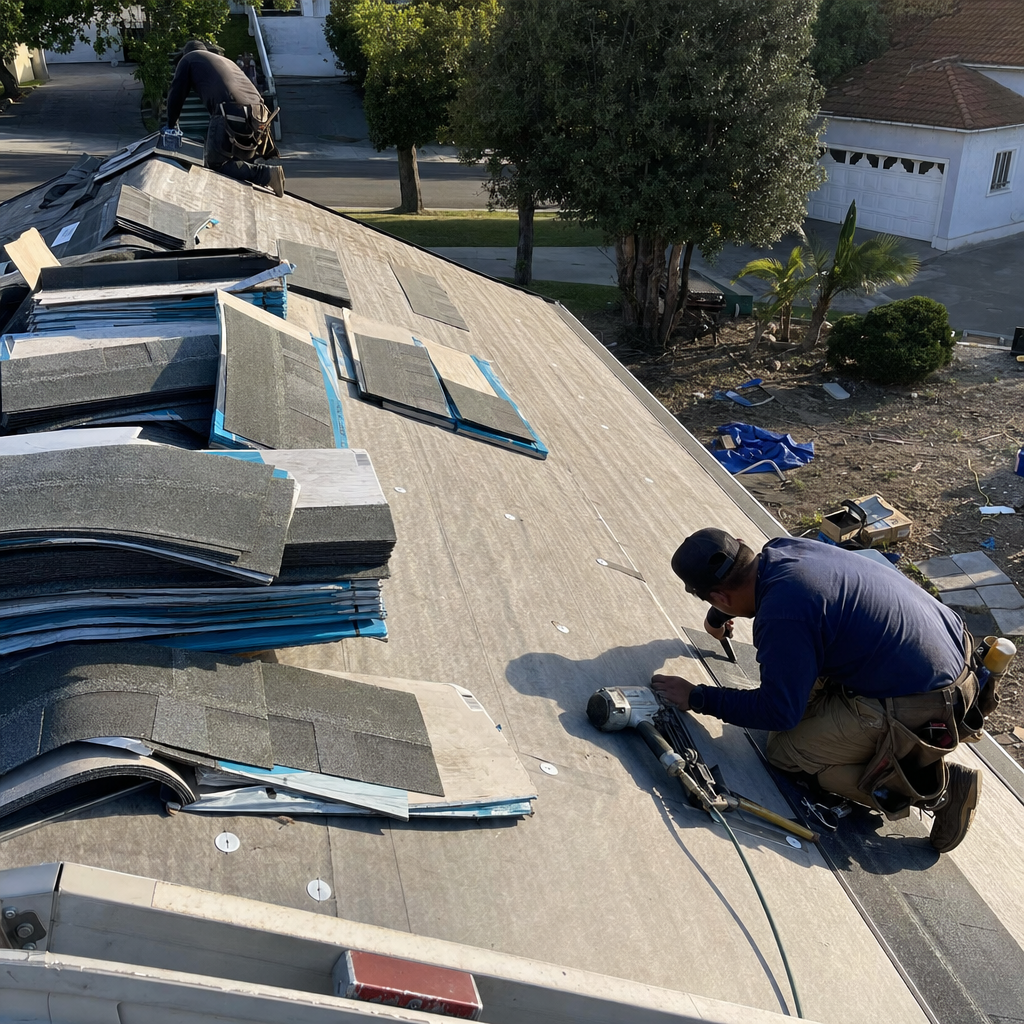
Before panels go up, the roof beneath them needs to outlast the solar investment. Our solar-ready installations in Brooklyn use membranes and flashings designed for 25-plus year lifespans, with penetration details that won’t leak when racks are bolted through. We coordinate with your solar installer on layout and load paths, and we document the roof condition with photos before any panels arrive. In LPC historic districts, we also flag whether panel visibility from the street triggers landmarks review.
Green Roof Systems
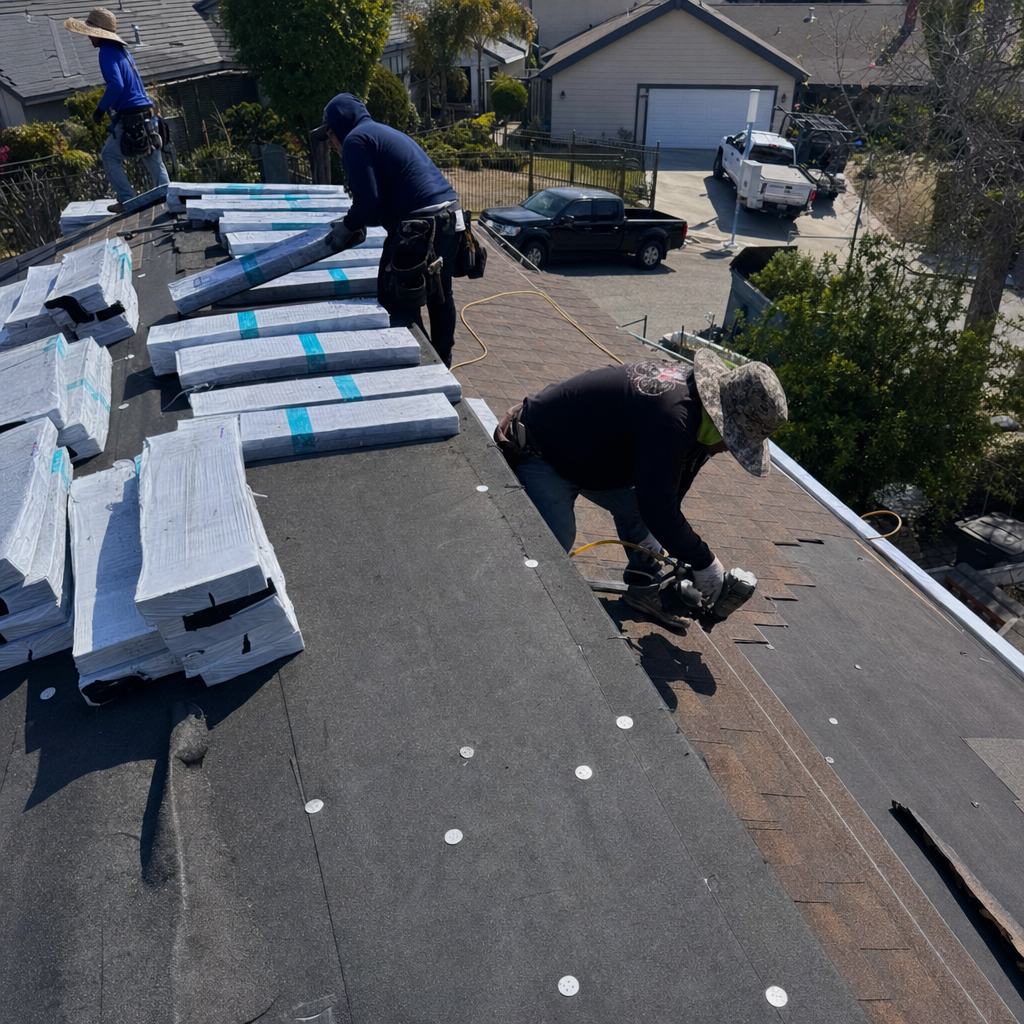
Green roofs - planted assemblies with drainage mats, growing medium, and sedum or native plantings - are increasingly popular on Brooklyn row houses with usable roof space. The load is significant: saturated growing medium weighs 100-plus pounds per square foot. We assess structural capacity first, then build the waterproofing layer with root-resistant membranes from our authorized lines. NYC offers some stormwater credits for green roof installation, but the primary reason our Brooklyn customers choose them is the thermal buffer and the usable outdoor space.
What happens when you call
- 1
A real person answersNo phone trees - you reach a local pro.
- 2
You get an upfront price rangeHonest numbers before anyone is dispatched.
- 3
A background-checked tech heads outLicensed & insured, dispatched right away.
- 4
You approve before work beginsNothing starts until you say go.
Trusted Brands We Service in Brooklyn
We are authorized installers for GAF, CertainTeed, Owens Corning, IKO, Atlas, Tamko, and Boral. For Brooklyn’s flat-roof market, we stock modified bitumen rolls, TPO membrane, and EPDM in widths that match typical row house dimensions - 16 to 20 feet - so we can minimize field seams. We don’t substitute materials. The brand on your estimate is the brand on your roof. Parts and warranty backing are available locally, not ordered from some warehouse three states away when you need a repair in February.
Common Specialty Roofing Problems We See in Brooklyn Homes
- Legacy built-up roofs with decades of patch layers trap moisture between plies. Each new flood coat or modified bitumen cap looks like a fix, but water migrates laterally and rots the sheathing underneath. The surface seems fine until someone walks through it. Only a full tear-off to solid deck, as NYC code requires, solves it for good.
- Parapet copings and lead flashings corrode rapidly from salt-laden air off Upper New York Bay. Brooklyn’s coastal position means metal deterioration happens faster than inland homeowners expect. Once coping joints open, water runs down inside the parapet wall and rots the shared party-wall brickwork - damage that belongs to two owners and complicates every repair.
- Scuppers and drains clog with debris from street trees, then freeze solid during nor’easters. Flat roofs depend on drainage. When water ponds and freezes, it splits seams and lifts flashings. We clear and test every drainage point during inspection, and we recommend leaf guards sized for Brooklyn’s mature London plane trees.
- Contractors unfamiliar with LPC historic districts file standard permit applications that get rejected. In Brooklyn Heights, Cobble Hill, Carroll Gardens, and Park Slope, visible changes to parapet profiles or rooftop structures need Landmarks Preservation Commission approval before the Department of Buildings will touch the file. We’ve seen projects delayed six weeks because this step was missed. We build LPC review into our timeline from day one.
Roofing in Brooklyn Built for Lake-Effect Weather
Roofs here take a beating. Freeze-thaw cycles, hard spring hail, and the wind that rolls off the lake find every weak seam. Ridgeline crews are trained journeymen, not day laborers, and we photograph what we find so you see your ridge, not just hear about it. Insurance claim? We help with the paperwork, not the pressure. The Keystone Standard goes on every job in writing: 90 days, no arguing.
We hire local, train apprentices through to journeyman, and answer the phone with a person. we coordinate through our Cleveland Metro service area When we say we’ll be there, we’ll be there. Done right, stood behind, no surprises on the bill. That’s a square deal.
Pricing for Specialty Roofing in Brooklyn, NY
| Service | Typical Range in Brooklyn |
|---|---|
| Modified bitumen roof replacement (full tear-off, 1,200 sq ft row house) | $12,000 - $18,500 |
| TPO single-ply installation (same size, mechanically attached) | $11,500 - $17,000 |
| Built-up roof tear-off and replacement (multi-ply legacy removal) | $14,000 - $22,000 |
| EPDM rubber roof (fully adhered, garage or addition) | $8,500 - $13,500 |
| Parapet wall flashing replacement (coping, lead, or membrane) | $2,800 - $5,500 |
| Roof inspection with photo documentation | $0 (free with estimate) |
What moves you within these ranges: the number of accumulated layers that must come off, the condition of the underlying sheathing, access constraints on attached buildings, and whether LPC review adds time and documentation cost. We price upfront. The number on your written estimate is the number on the invoice. We also honor a permanent 5% senior and veteran discount, and we offer $50 off any repair over $250. Call (844) 563-1816 for an exact quote - estimates are free, and a live person will answer.
We Also Serve Cities Near Brooklyn
Our Specialty Roofing in Brooklyn crews also respond to Detroit-Shoreway, Parma, Parma Heights, and Clark-Fulton. Same standards, same live-answer phones, same written 90-Day Done Right Promise. If you’re in one of these communities and your flat roof is showing its age, we’re not far.
Serving Brooklyn, NY - Our Local Coverage Area
We’re based in the Brooklyn area and know this community well. Use the map below to see our service coverage - if you’re nearby, we can almost certainly help.
FAQs - Specialty Roofing in Brooklyn
Yes, if your property is within a designated historic district and the work changes any visible parapet coping, cornice profile, or rooftop structure. The Landmarks Preservation Commission must approve before the NYC Department of Buildings issues your permit. We file LPC applications as part of our standard process for Park Slope, Brooklyn Heights, Cobble Hill, and Carroll Gardens jobs. Call (844) 563-1816 and we’ll check your address against the district map at no charge.
Because decades of accumulated modified bitumen and built-up layers trap moisture, add dead load beyond what the 1920s structure was designed for, and prevent proper inspection of the sheathing. The code exists to stop the cycle of patch-over-patch that hides rot until someone falls through. We document every layer during inspection and explain exactly what we found. The tear-off is not optional, but we price it upfront with no surprises.
Modified bitumen or TPO, depending on your roof’s use and your budget. Modified bitumen handles foot traffic and parapet detailing well, which matters on shared row house roofs where HVAC techs walk the surface. TPO reflects heat and welds into seamless sheets that resist ponding. Both stand up to Brooklyn’s salt air and wet-snow loads better than aging built-up systems. We’ll recommend based on your specific roof after inspection.
We install through-wall flashing with counter-flashing reglets cut into the brick, sealed with membrane-compatible sealant. The critical detail is continuity: the flashing must tie into both the roof membrane and the parapet coping, with no gaps where wind-driven rain can enter. We also coordinate access with your attached neighbor when needed, and we document the party-wall condition with photos so both owners understand what was done. Call (844) 563-1816 to schedule an inspection of your shared wall condition.
Only if a structural engineer confirms the roof can handle 100-plus pounds per square foot of saturated growing medium, and if LPC review clears any visible changes in historic districts. We install the waterproofing and drainage layers, but we require the structural sign-off first. Several of our Brooklyn customers have done this successfully, particularly on non-landmarked buildings with straightforward access. The thermal and stormwater benefits are real, but the load is not negotiable. We’ll assess feasibility during our free estimate.
Written by Pete Navarro, Owner at Ridgeline Roofing Co., serving Brooklyn since 2016.