
Fast, Reliable Specialty Roofing Across Charlestown
Specialty roofing in Charlestown, Indiana typically runs $8,500-$18,000 for a full replacement on the city’s distinctive WWII-era worker cottages, with most inspections scheduled same-day and work starting within a week. We drive to Charlestown from our Louisville metro base daily, and we know the difference between a standard re-roof and the full-deck rebuilds these 80-year-old homes usually need. Call us at (844) 563-1816 - a live person answers, 24 hours a day.
Charlestown’s not like Sellersburg or Jeffersonville. More than 800 original worker cottages from the Indiana Ordnance Works era still stand here, most with the same low-slope geometry, the same aging three-tab shingles, and the same rough-cut 1×6 plank decking that was thrown up fast in 1942. We’ve been working these roofs since 2016, and we’ve learned what holds and what fails on them. Our Specialty Roofing team treats every Charlestown job as its own puzzle - because no two of these old cottages age exactly the same, even if they were built from identical plans.
Why Ridgeline Roofing Co. Is Charlestown’s Preferred Specialty Roofing Company
We’ve been serving southern Indiana homeowners for over 10 years, and Charlestown’s ordnance-plant neighborhoods have been part of our rotation since the beginning. Pete Navarro, our owner, still reviews photos from every Charlestown inspection personally. We’re not storm-chasers who blow through after hail and disappear - we’re the crew that comes back when a fastener pops in year three.
Our Charlestown customers find us the old-fashioned way: neighbor to neighbor. They mention our uniformed technicians, our photo-documented inspections, and the fact that we answer the phone at 10 p.m. when a leak opens up during a spring thunderstorm. We typically reach Charlestown properties within 45 minutes of a call, and we carry common decking materials and specialty membranes on our trucks so we’re not waiting on a Louisville warehouse.
What separates us in Charlestown is specific knowledge. We know that a cottage on Market Street near the old plant footprint probably needs OSB overlay before any new roofing goes down. We know that the shallow pitch on these 1940s roofs traps leaves from the mature oaks that now shade those blocks, accelerating the algae streaking that Charlestown’s humid summers encourage. That local fluency saves our customers money and surprises.
Our Specialty Roofing Services in Charlestown
Solar Ready Roofing
Charlestown homeowners are adding solar in growing numbers, especially on post-WWII ranch homes near Fox Run and the newer sections off Highway 3. But solar panels demand a roof that will outlast them. On Maple Street in the old ordnance-plant neighborhood, we stripped a 1942 cottage’s three-tab shingles and found the original 1×8 rough-cut decking with inch-wide gaps and rot along the eaves. We installed ½-inch OSB over the planks before laying an Owens Corning Duration Storm system, explaining to the owner why full re-deck was essential for her new solar-ready upgrade. A solar-ready roof in Charlestown typically means structural decking that can handle panel load, proper flashing for rail penetrations, and a membrane or shingle system rated for 25+ years. We install these as integrated systems, not afterthoughts.
TPO Roofing
TPO - thermoplastic polyolefin - works well on Charlestown’s low-slope commercial buildings and on residential additions where the 1940s original meets a later flat-roofed section. The white reflective surface cuts cooling loads during our humid July and August stretches, and the heat-welded seams hold up to the thermal cycling that Charlestown’s erratic freeze-thaw winters produce. We install TPO from GAF and CertainTeed, and we can typically complete a residential application in Charlestown in two days.
EPDM Roofing
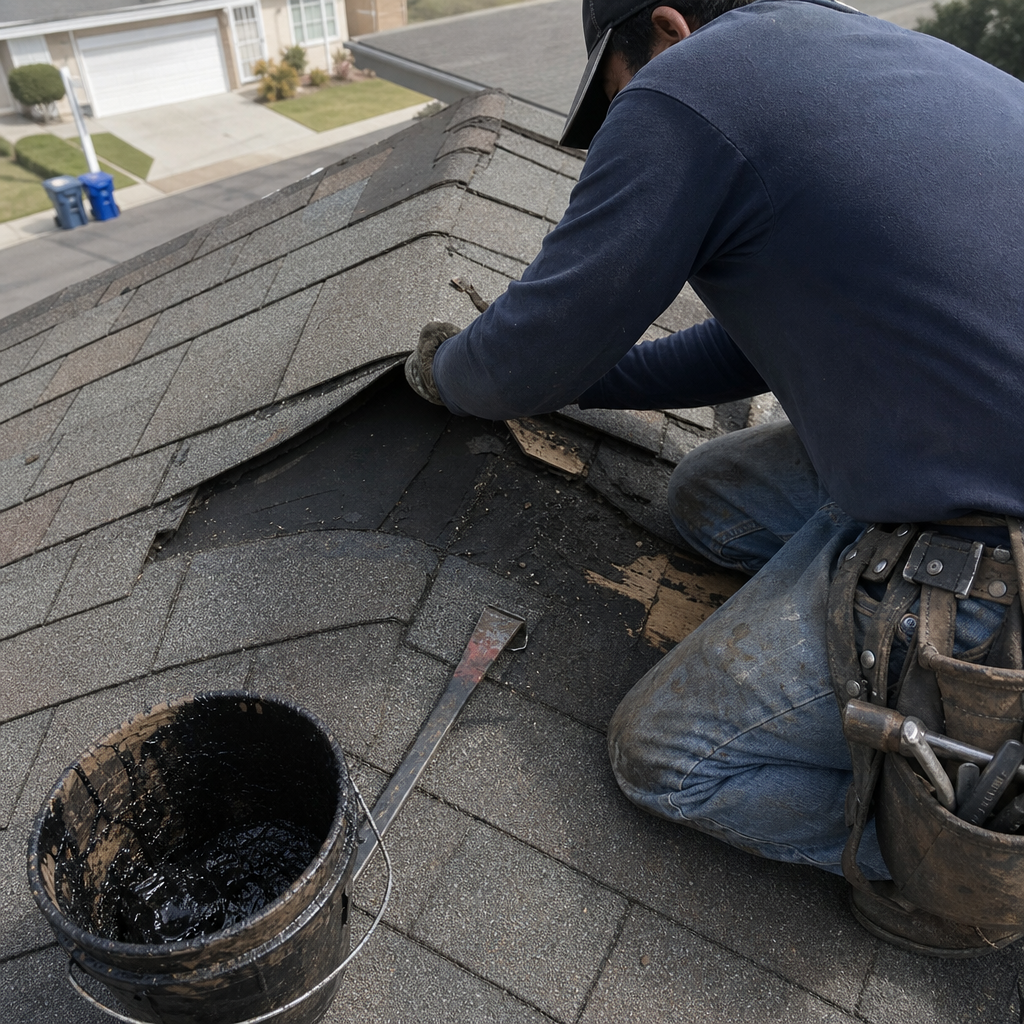
EPDM rubber roofing remains a cost-effective choice for detached garages, sheds, and small commercial structures around Charlestown’s older neighborhoods. The material flexes without cracking during the temperature swings that characterize the Ohio River valley, and repairs are straightforward when hail or falling branches puncture the membrane. We stock black and white EPDM in common widths, so Charlestown customers aren’t waiting on a special order for a simple garage re-roof.
Modified Bitumen
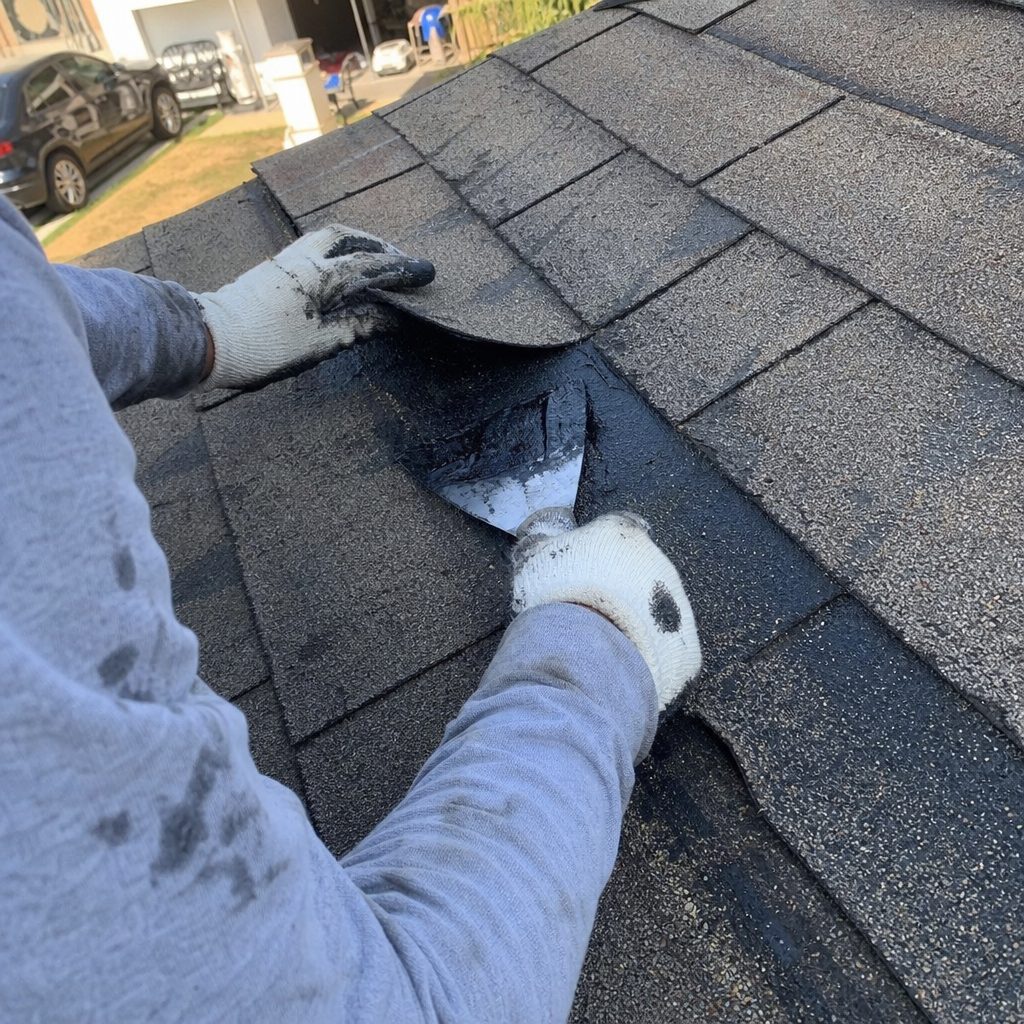
Modified bitumen gives Charlestown homeowners a middle path between traditional built-up roofing and single-ply membranes. The torch-applied or self-adhering sheets work especially well on the low-slope transitions common in additions to 1940s cottages, where the original steep pitch meets a later flat section. We see this configuration frequently in the neighborhoods between downtown Charlestown and the former INAAP grounds, where homeowners have expanded original cottages over decades. Modified bitumen installs faster than built-up, with less odor and weight stress on the aging structural systems these homes often have.
Built-Up Roofing
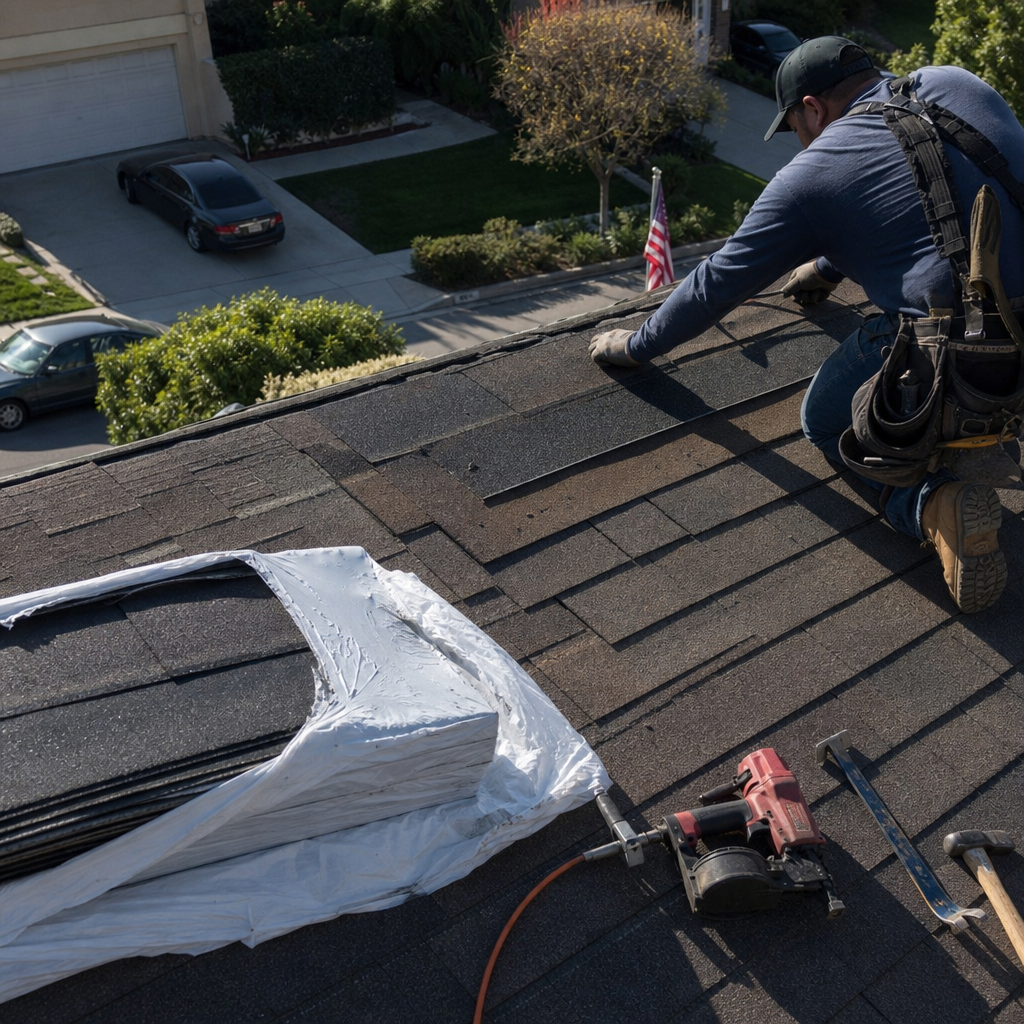
Built-up roofing - the classic “tar and gravel” system - still has a place in Charlestown, particularly on commercial buildings and on residential applications where maximum durability outweighs speed of installation. The multiple ply layers provide redundancy that single-ply systems can’t match, and the aggregate surfacing resists hail damage from the spring storm cells that track up I-65 from Louisville. Built-up roofing in Charlestown runs $12,000-$22,000 for a typical residential application, with commercial pricing scaled to square footage. We install these systems with the same attention to deck preparation that we bring to our WWII-era cottage work: no shortcuts on substrate, because a built-up roof is only as good as what’s underneath it.
Green Roof
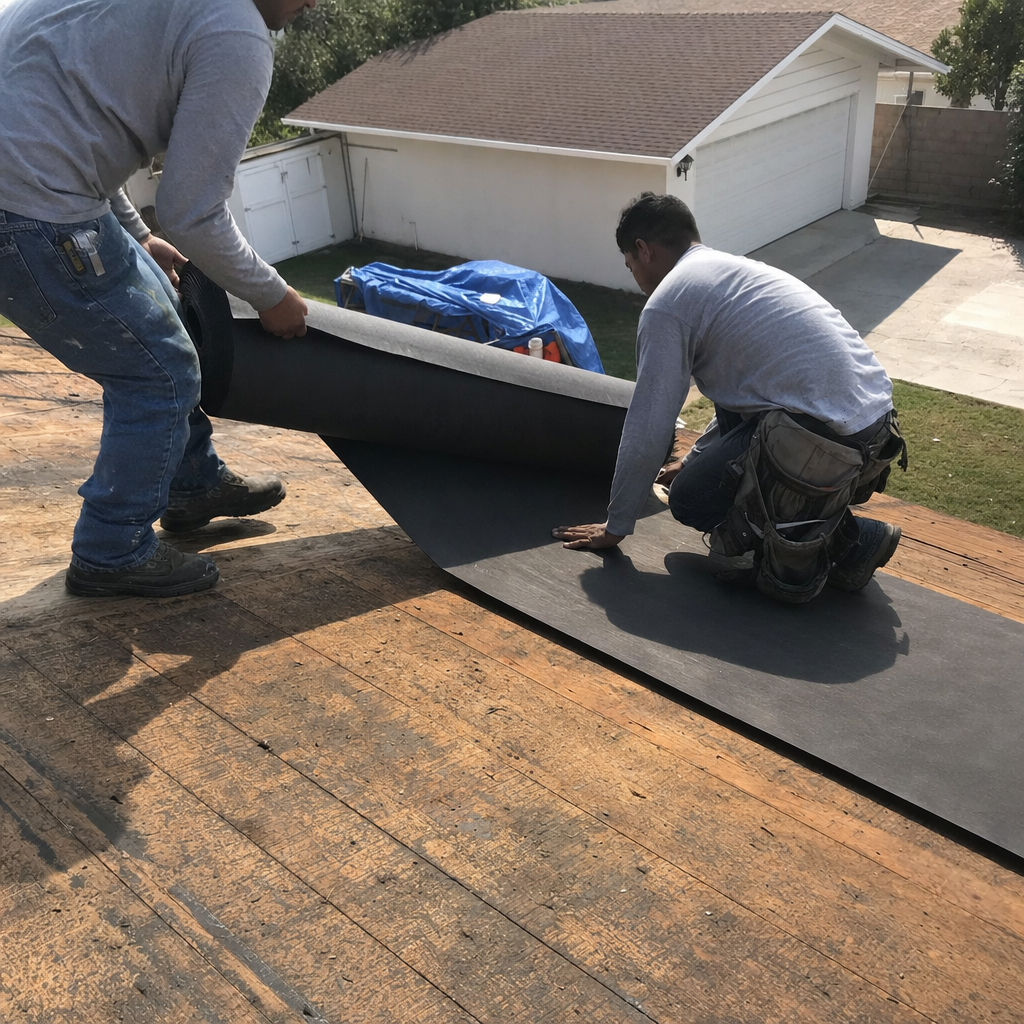
Green roofs - vegetated systems with soil and plantings - are still uncommon in Charlestown, but we’ve installed two on commercial properties near the downtown corridor where stormwater management and visual appeal drove the decision. These systems demand structural verification first; the saturated weight of a green roof can exceed 100 pounds per square foot, and Charlestown’s older buildings need careful evaluation before loading. We partner with structural engineers on these projects and handle the waterproofing layer ourselves, typically using a bituminous base with a root barrier.
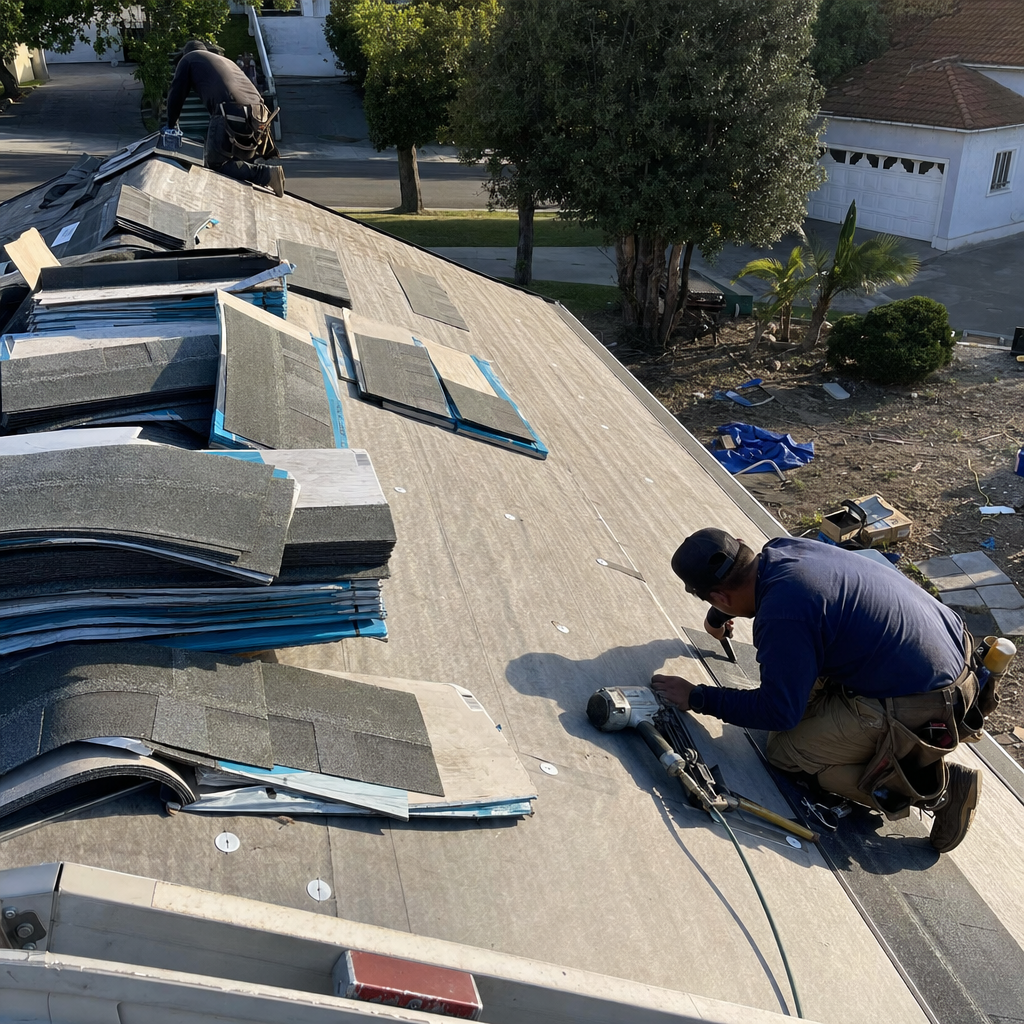
What happens when you call
- 1
A real person answersNo phone trees - you reach a local pro.
- 2
You get an upfront price rangeHonest numbers before anyone is dispatched.
- 3
A background-checked tech heads outLicensed & insured, dispatched right away.
- 4
You approve before work beginsNothing starts until you say go.
Trusted Brands We Service in Charlestown
We install GAF, CertainTeed, Owens Corning, Atlas, Tamko, and Boral products, and we maintain relationships with regional distributors so Charlestown jobs aren’t delayed by supply-chain gaps. For the solar-ready and specialty roofing work this market demands, we stock Owens Corning Duration Storm and GAF Timberline HDZ in common Charlestown colors - the weathered wood and slate gray that blend with the established streetscapes near the old ordnance plant. Our trucks carry ½-inch and ⅝-inch OSB sheathing, self-adhering ice-and-water shield, and TPO membrane in standard widths, which means most Charlestown customers see work start the day after they approve an estimate. No waiting on a Louisville truck. No substitutions without written approval.
Common Specialty Roofing Problems We See in Charlestown Homes
- Simultaneous end-of-life across entire blocks. The original three-tab shingles on Charlestown’s WWII-era cottages were installed in a narrow window between 1941 and 1945, and the second-generation replacements went on in the 1990s and 2000s. Now those 20- to 30-year shingles are failing together, creating concentrated demand for full replacements in neighborhoods where every third house shows bald granule loss and exposed fiberglass.
- Hidden deck rot behind intact shingles. Rough-cut 1×6 and 1×8 plank decking with wide gaps allows moisture to migrate at the sheathing line, especially where Charlestown’s humid summers drive condensation and winter ice dams back water under the laps. We’ve pulled shingles that looked merely weathered and found punky wood underneath that required full OSB overlay.
- Algae streaking accelerated by low slopes and valley humidity. Charlestown sits in the Ohio River valley where summer humidity hangs heavy, and the shallow pitches on 1940s rooflines don’t shed water or dry as quickly as steeper modern designs. Dark streaks from Gloeocapsa magma algae colonization are nearly universal on north-facing slopes in the older neighborhoods.
- Hail impact damage from the Louisville metro storm corridor. Spring and early-summer cells tracking northeast from Kentucky frequently produce damaging hail across Clark County. Charlestown’s mature tree canopy offers some protection, but open exposures on ranch-style additions and commercial buildings take direct hits that fracture shingles and dent metal flashings.
Roofing in Charlestown Built on the Ridge
Indiana weather hits roofs from every angle. Hail in spring, wind that peels back what was nailed down loose, and summer sun that cooks shingles brittle before their time. Most Indianapolis Metro homes carry roofs old enough to vote, and insurance companies know it. We document what we find, photograph it, and help you understand your claim without the hard sell. That’s the Keystone Standard: 90 days, in writing, no arguing.
Our crews live here, train apprentices here, and answer the phone with a person. we coordinate through our Indianapolis Metro service area. Mention our $50 off any repair over $250 when you call.
Pricing for Specialty Roofing in Charlestown, IN
Here’s what Charlestown homeowners can expect in 2024:
| Service | Typical Range |
|---|---|
| TPO or EPDM (residential, low-slope section) | $6,500 - $11,000 |
| Modified bitumen (full residential application) | $8,000 - $14,000 |
| Built-up roofing (residential) | $12,000 - $22,000 |
| Solar-ready re-roof with full OSB overlay | $14,000 - $24,000 |
| Green roof (commercial, with structural) | $25,000 - $45,000+ |
| Deck repair/replacement (per 100 sq ft) | $800 - $1,400 |
These ranges reflect Charlestown’s specific conditions: the near-certainty of deck work on 1940s cottages, the need for ice-and-water shield on low pitches, and the labor involved in hand-nailing around the irregularities of rough-cut plank substrates. A standard asphalt re-roof on a modern Charlestown ranch runs less; a full solar-ready system on an ordnance-era cottage with rotted eaves runs more. We provide upfront pricing with no surprises, and our estimates are free. Call (844) 563-1816 for a specific number on your roof.
We Also Serve Cities Near Charlestown
Our crews work daily across the Louisville metro corridor, including Sellersburg, Jeffersonville, Clarksville, and La Grange. Each market has its own housing stock and its own roofing character - Jeffersonville’s riverfront floodplain concerns, Sellersburg’s mixed-era subdivisions - but Charlestown remains unique for the concentration of WWII-era worker housing that defines our specialty roofing practice here.
Serving Charlestown, IN - Our Local Coverage Area
We’re based in the Charlestown area and know this community well. Use the map below to see our service coverage - if you’re nearby, we can almost certainly help.
FAQs - Specialty Roofing in Charlestown
On a true 1940s roof in Charlestown, spot repairs are usually a short-term patch on a systemic problem. The original shingles are past any reasonable service life, and the plank decking beneath has likely suffered moisture damage that leaks only hint at. We recommend a full inspection with photo documentation before spending money on repairs that will need repeating in a year or two. Call (844) 563-1816 for a free evaluation - we’ll show you exactly what we’re seeing.
Yes, almost certainly. Solar panels add 2-4 pounds per square foot and need a roof that will last 25-30 years without disturbance. Most Charlestown ranches built before 1980 need structural verification and often decking reinforcement or replacement before panel installation. We design solar-ready roofing systems that integrate with your chosen panel installer, specifying rail attachment points, penetration flashing, and load-rated sheathing. The cost of doing this right upfront is far less than removing panels to re-roof in year twelve.
TPO, modified bitumen, or built-up roofing all perform well on Charlestown’s low-slope 1940s geometries, depending on the structure’s load capacity and the homeowner’s budget. TPO offers the best balance of cost, reflectivity, and ease of repair for most residential applications. Built-up roofing provides maximum durability where hail exposure is severe. We assess each Charlestown property individually and recommend based on what we find, not what we prefer to sell.
It’s normal for how these homes were built, though it’s not ideal by modern standards. Charlestown’s worker cottages used rough-cut 1×6 or 1×8 planks installed quickly in 1941-1945, with gaps that were acceptable under wartime construction speed but that allow air infiltration, moisture migration, and insect access today. Those gaps are why we nearly always install OSB overlay before new roofing on these homes. The original planks stay in place for structure; the OSB provides a continuous, sealed substrate that modern materials require.
It’s almost certainly Gloeocapsa magma, a blue-green algae that thrives in humid climates like Charlestown’s Ohio River valley environment. It’s not mold, and it doesn’t typically damage shingles structurally, but it does accelerate granule loss and it looks unsightly. The low slopes on Charlestown’s older cottages make the problem worse by holding moisture longer. We can treat existing algae during a roof replacement with copper-infused shingles from Owens Corning or Atlas, or we can clean and treat in-place roofs where replacement isn’t yet needed. Call us for an assessment.
Written by Pete Navarro, Owner at Ridgeline Roofing Co., serving Charlestown since 2016.