

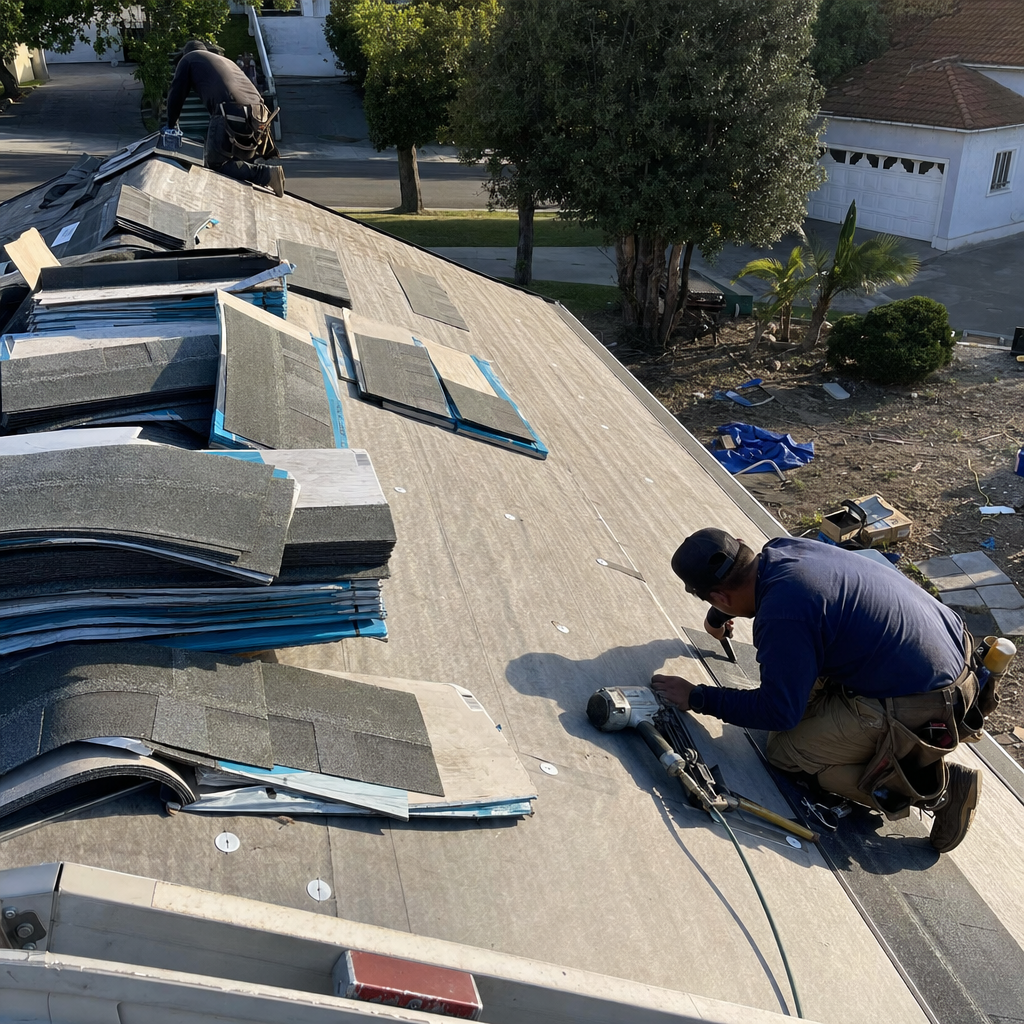
Fast, Reliable Specialty Roofing Across Delhi Hills
Specialty roofing in Delhi Hills runs $4,200-$8,500 for most residential projects, with flat-roof systems on low-slope additions starting around $3,800 and steep-slope membrane work climbing toward $12,000 on complex hillside homes. We’re usually on Hilltop Lane, Ridge Road, or down near Delhi Pike within 45 minutes of your call, and most specialty repairs finish in a single day. Our Specialty Roofing crews have worked Delhi Hills’s ridgeline terrain since 2016 - we know the permit routes, the wind exposures, and the way a 1960s Cape Cod’s valleys behave when a southwest Ohio freeze-thaw cycle hits.
Call (844) 563-1816 any hour. A live person answers, including nights and weekends.
Why Ridgeline Roofing Co. Is Delhi Hills’s Preferred Specialty Roofing Company
We’ve stood behind roofs in this community for over 10 years. That’s not marketing - that’s Pete Navarro hiring local apprentices who became journeymen, who then trained the next crew. When you call Ridgeline, you’re not reaching a dispatcher in another state reading from a script. You’re talking to someone who knows that Delhi Hills is unincorporated Miami Township, that permits route through Hamilton County Building Inspections on Court Street, not Cincinnati’s One Stop Permit Center downtown. Contractors who work mostly inside city limits miss this. We don’t.
Our technicians are background-checked, uniformed, and carry photo-documented inspection kits. We show you what we find on your actual roof - not a stock image on a tablet. The 90-Day Done Right Promise backs every job: if it’s not right, we come back and make it right. No paperwork to file, no argument, no runaround.
Response time to Delhi Hills averages under an hour for urgent calls. The 45238 ZIP sits close to our dispatch point, and we keep GAF, Owens Corning, and Atlas materials stocked for same-day starts on most specialty systems.
Our Specialty Roofing Services in Delhi Hills
Solar Ready Roofing
Delhi Hills homeowners are adding solar at a steady clip, but most contractors bolt panels onto roofs never designed for the load or the penetrations. Solar ready roofing installs reinforced attachment points, proper flashing boots, and load-distributed rail systems during the roofing phase - not as an afterthought. On a steep hillside lot off Delhi Pike, we recently prepped a 1972 split-level with IronRidge flashing and GAF Deck-Armor underlayment so the homeowner’s solar installer could mount without a single new roof penetration. The ridge-top exposure on that home sees sustained winds that standard flashing wouldn’t survive. We planned for it.
Modified Bitumen
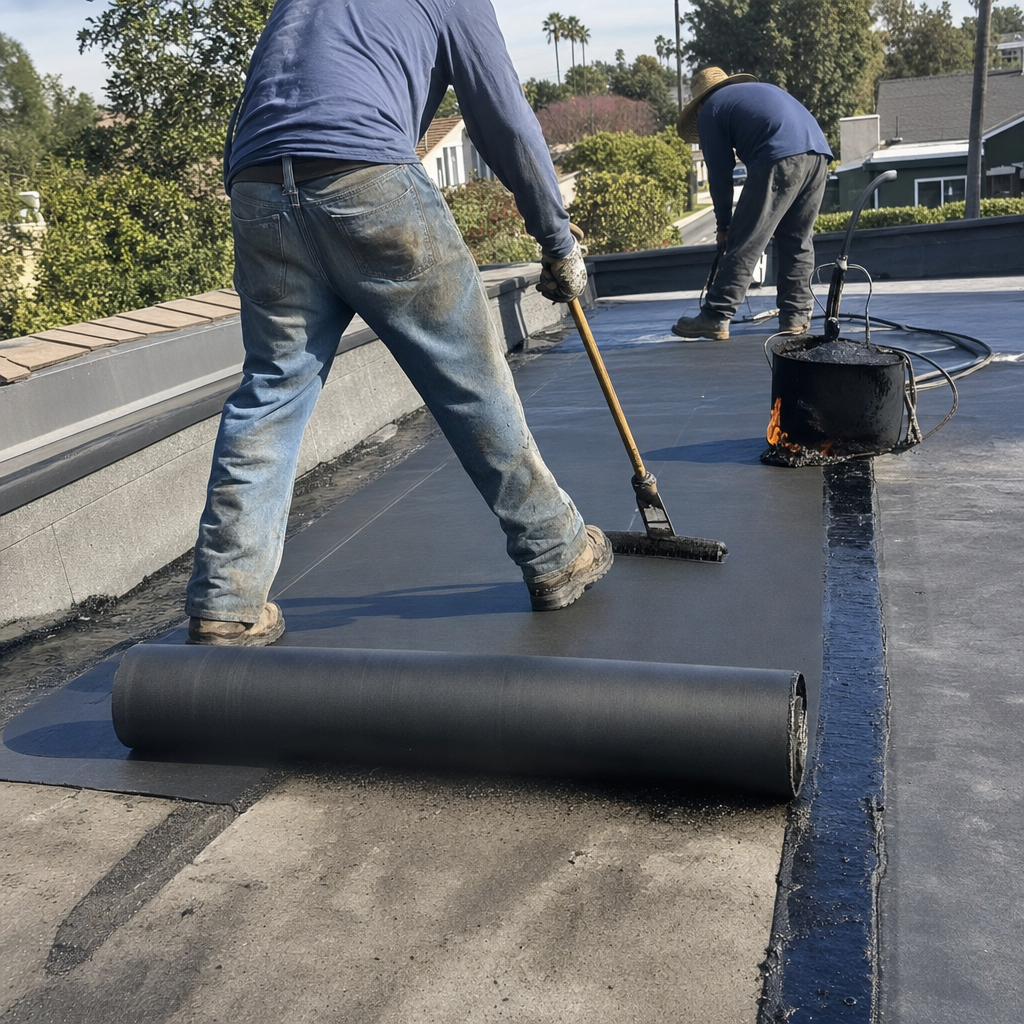
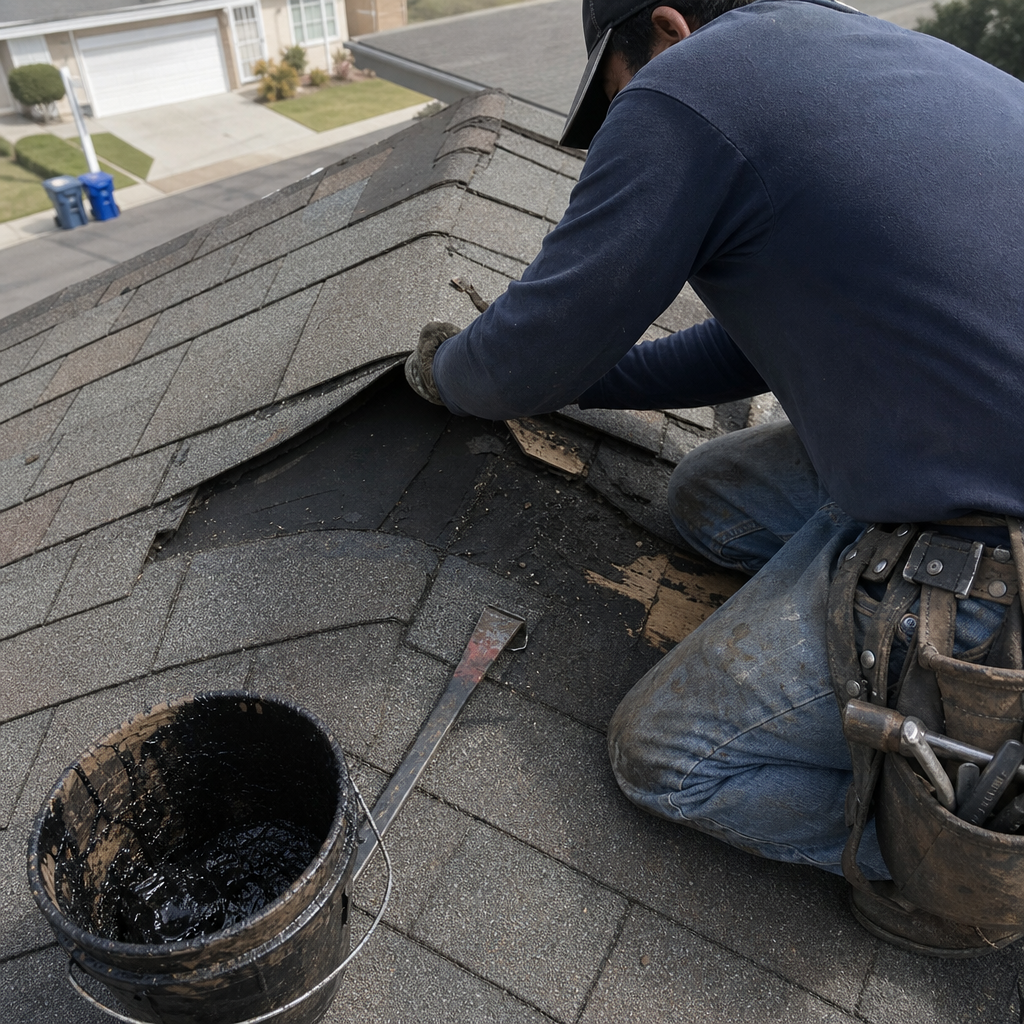
Low-slope sections on Delhi Hills ranches and split-levels - often the back addition or carport roof - fail faster than steep pitches because water moves slowly and seams take abuse. Modified bitumen handles this: torch-applied or self-adhered sheets with polyester or fiberglass reinforcement that flexes through freeze-thaw without cracking. A 1963 split-level on Ridge Road we worked last spring had a nearly flat carport roof collecting runoff from the main ridge. We stripped three layers of failed roll roofing, installed Tamko modified bitumen with proper cricket drainage, and solved a five-year leak the previous contractor had patched four times. For Delhi Hills’s hard winters, modified bitumen outperforms TPO on pitches below 2:12 where ice lingers.
Built-Up Roofing
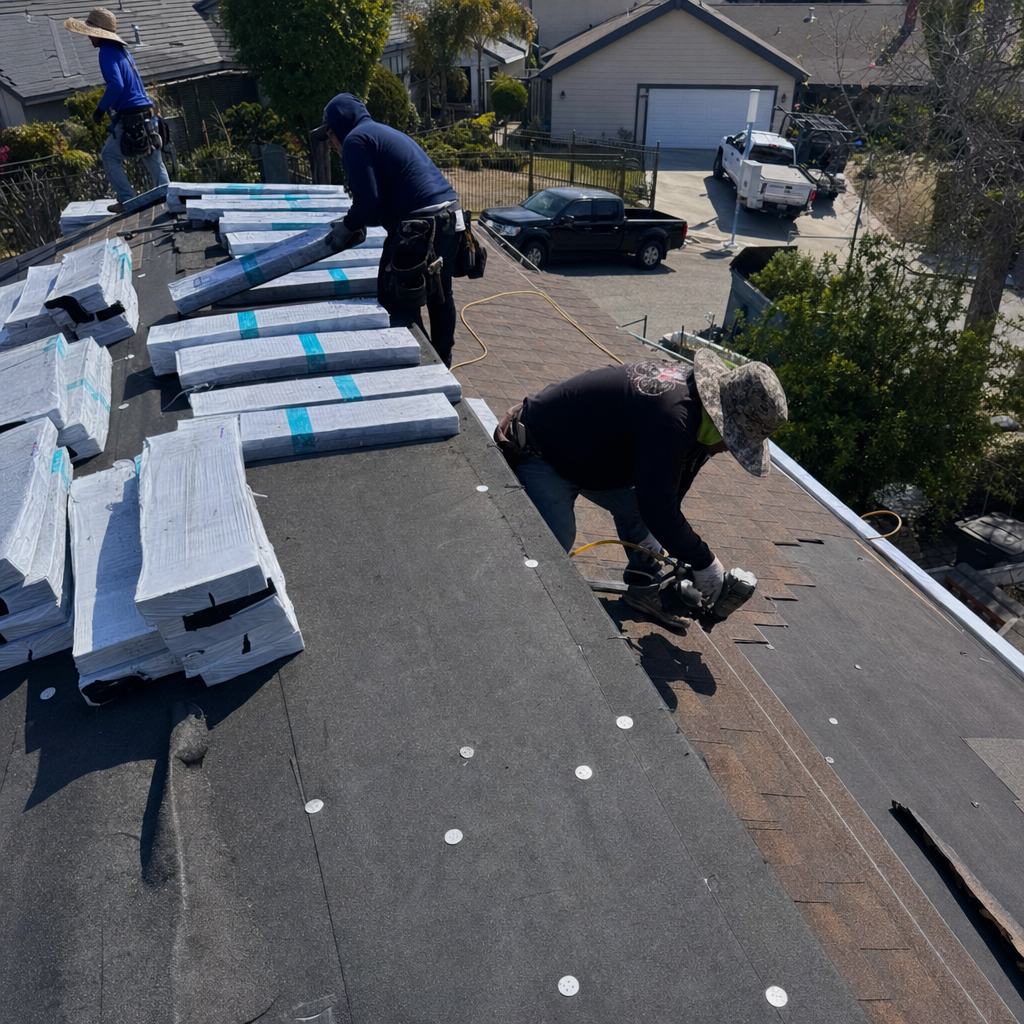
The old-school gravel-surfaced system still makes sense for certain Delhi Hills applications: detached garages, commercial outbuildings, and some mid-century low-slope residential sections where mechanical durability matters more than reflective ratings. Built-up roofing uses multiple layers of bitumen and reinforcing fabric, finished with gravel or a modified cap sheet. We install Boral and Atlas BUR systems with proper edge metal and overflow scuppers for hillside drainage. On exposed ridgelines, we specify heavier gravel surfacing to resist wind scour. It’s not the lightest system, but on a structure that can handle the load, it lasts 20-25 years with basic maintenance.
TPO Roofing
TPO - thermoplastic polyolefin - brings white reflective surfacing to low-slope sections, useful where summer heat buildup in a Delhi Hills valley-facing addition drives cooling costs. We weld seams with hot-air equipment for monolithic coverage, and we specify thicker 60-mil or 80-mil membranes for areas with foot traffic or HVAC service access. TPO works best on pitches between 1:12 and 3:12 with positive drainage. On true flat roofs where water pools, we’d steer you toward modified bitumen instead.
EPDM Roofing
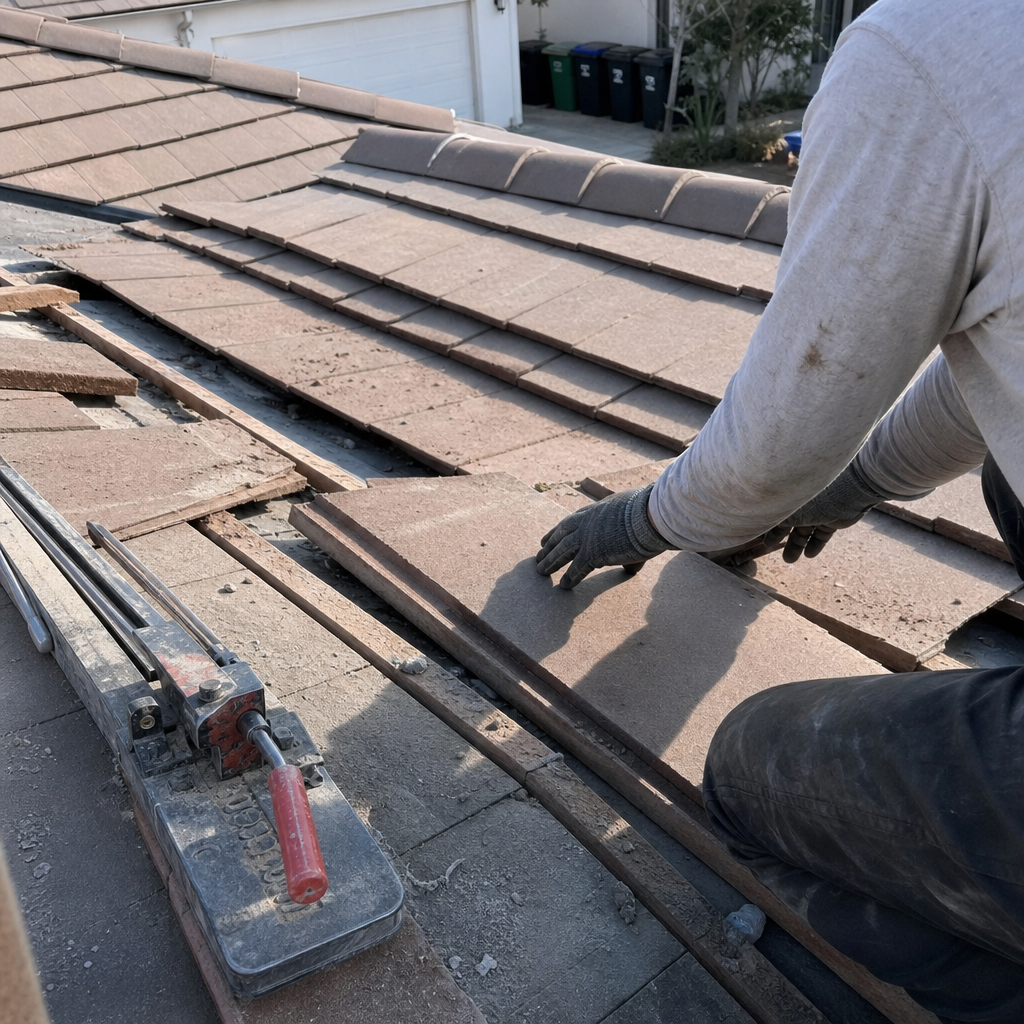
Black rubber membrane roofing suits certain commercial and residential applications in Delhi Hills where cost efficiency and proven track record matter. We install fully adhered and mechanically attached EPDM from leading manufacturers, with proper seam tape and cured flashing for details. The material’s flexibility serves freeze-thaw cycling well, though we’d note that white TPO or reflective modified bitumen often outperforms black EPDM on energy metrics for sun-exposed hillside installations.
Green Roof
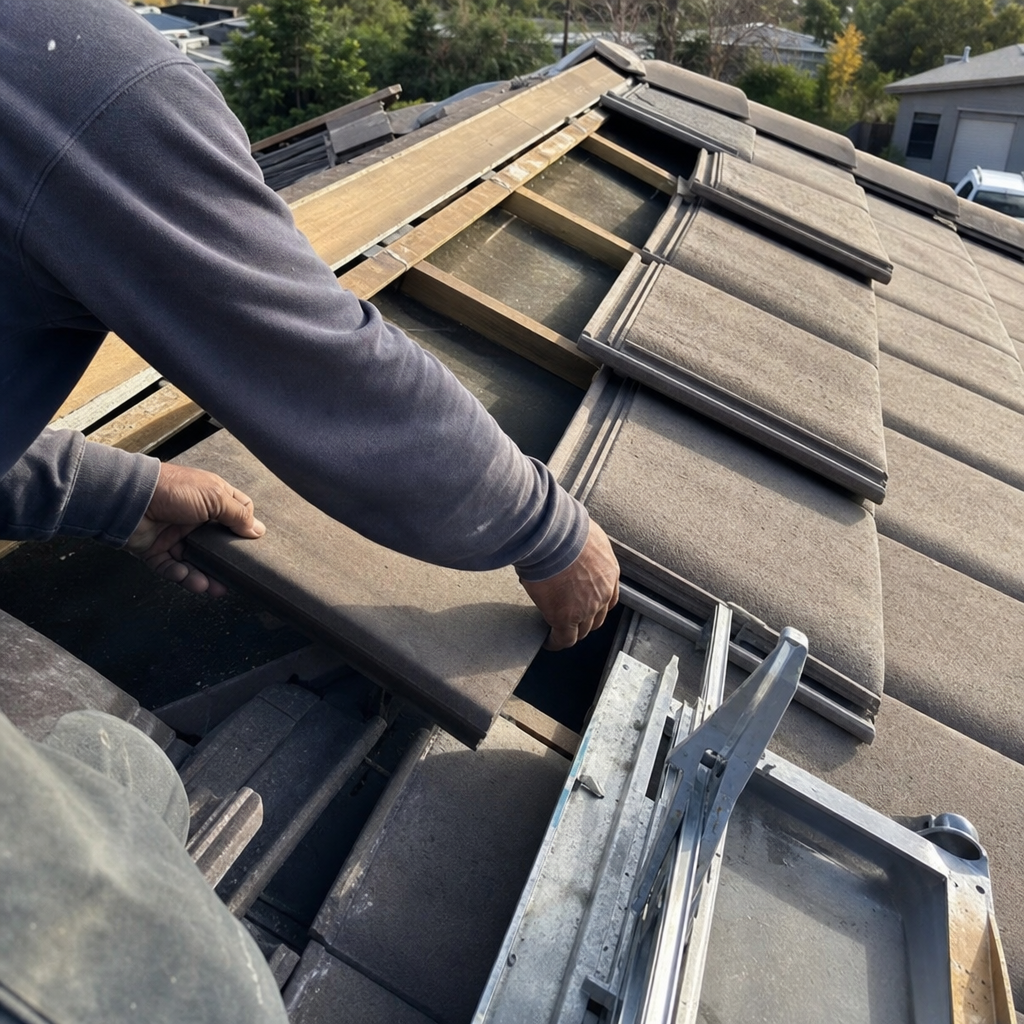
Intensive and extensive green roof systems are niche in Delhi Hills but viable for flat-roofed additions with adequate structural capacity. We install waterproofing, root barriers, drainage layers, and growing media specified to your plant selection. The load calculations are critical - a saturated green roof adds 15-25 pounds per square foot - and we coordinate with structural engineers before quoting. For the right homeowner, green roofing extends membrane life by shielding it from UV and thermal shock.
What happens when you call
- 1
A real person answersNo phone trees - you reach a local pro.
- 2
You get an upfront price rangeHonest numbers before anyone is dispatched.
- 3
A background-checked tech heads outLicensed & insured, dispatched right away.
- 4
You approve before work beginsNothing starts until you say go.
Trusted Brands We Service in Delhi Hills
We stock and install GAF, Owens Corning, and Atlas systems for Delhi Hills jobs, with Tamko and Boral available for specific applications. Our warehouse carries GAF WeatherWatch ice and water shield, Owens Corning Duration Storm wind-rated shingles, and Atlas StormMaster Slate impact-resistant products - the materials that match this area’s exposure and code requirements. Because we keep inventory close, most Delhi Hills specialty roofing projects start within 48 hours of estimate approval, not two weeks out waiting on a distributor truck from Columbus.
Common Specialty Roofing Problems We See in Delhi Hills Homes
- Valley flashing deterioration on complex multi-valley roofs. The 1950s-70s housing stock throughout 45238 uses stepped offsets and dormers that create more valleys than a flat suburban ranch. These valleys catch accelerated runoff from the ridgeline above, and original galvanized flashing rusts through in 40-60 years. We replace with aluminum or copper valley metal, properly woven with underlayment.
- Missing or inadequate ice-and-water shield at eaves. Southwest Ohio’s hard freeze-thaw cycling opens seams where standard felt paper sits. On exposed Delhi Hills ridgelines, wind-driven ice works under shingles at the eave. We extend ice-and-water shield a full 24 inches past the interior wall line, not the code minimum.
- Unpermitted repairs using non-rated shingles in wind-prone exposures. We’ve found three-tab shingles on hilltop homes where 110-mph wind-rated material belongs. After spring hail events, insurance adjusters document the mismatch and deny claims. We pull proper Hamilton County permits and install rated products with documentation.
- Low-slope additions covered in shingles instead of membrane. The back addition on a 1960s Delhi Hills ranch often carries a 2:12 or flatter pitch. Shingles on these slopes leak within seasons. We convert to modified bitumen or TPO with proper transition flashing to the main roof.
Roofing in Delhi Hills Built for Lake-Effect Weather
Roofs here take a beating. Freeze-thaw cycles, hard spring hail, and the wind that rolls off the lake find every weak seam. Ridgeline crews are trained journeymen, not day laborers, and we photograph what we find so you see your ridge, not just hear about it. Insurance claim? We help with the paperwork, not the pressure. The Keystone Standard goes on every job in writing: 90 days, no arguing.
We hire local, train apprentices through to journeyman, and answer the phone with a person. we coordinate through our Cleveland Metro service area When we say we’ll be there, we’ll be there. Done right, stood behind, no surprises on the bill. That’s a square deal.
Pricing for Specialty Roofing in Delhi Hills, OH
Here’s what Delhi Hills homeowners can expect for specialty roofing work in 2025:
| Service | Typical Range |
|---|---|
| Solar ready roof prep (attachment points, flashing, underlayment) | $2,800 - $5,500 |
| Modified bitumen low-slope replacement | $3,800 - $7,200 |
| Built-up roofing (BUR) - gravel or cap sheet | $4,500 - $8,900 |
| TPO membrane replacement (residential low-slope) | $4,200 - $7,800 |
| EPDM rubber roof replacement | $3,600 - $6,800 |
| Green roof system (intensive, with structural review) | $15,000 - $28,000 |
| Valley flashing replacement (complex multi-valley) | $1,800 - $3,400 |
| Ice-and-water shield upgrade with shingle replacement | $5,500 - $11,000 |
Steep pitches, difficult access, and layered tear-offs add labor and disposal cost. Hillside lots in Delhi Hills sometimes require scaffolding or specialized anchoring that flat-suburban jobs don’t. We quote upfront - the number on the estimate is the number on the invoice. No surprises. Call (844) 563-1816 for a free, no-pressure estimate.
We Also Serve Cities Near Delhi Hills
Our crews work throughout southwest Ohio, including Delhi Hills and neighboring Covedale, Cheviot, Villa Hills, and Hebron. Each community has its own permit routing and typical housing stock - we know the difference between Hamilton County and Kenton County requirements, and we plan accordingly.
Serving Delhi Hills, OH - Our Local Coverage Area
We’re based in the Delhi Hills area and know this community well. Use the map below to see our service coverage - if you’re nearby, we can almost certainly help.
FAQs - Specialty Roofing in Delhi Hills
Yes. Hamilton County Building Inspections requires Miami Township roofing permits to include manufacturer wind-resistance documentation for shingle installations, particularly on elevated or exposed sites. We submit this with every permit application. Call (844) 563-1816 and we’ll verify your property’s wind zone and specify appropriate materials.
Modified bitumen is usually the better choice for pitches below 2:12 in Delhi Hills’s freeze-thaw climate, especially where ice dams form at the transition to the main roof. TPO works well on 2:12 to 3:12 pitches with positive drainage and where summer cooling savings matter. We’ll inspect your slope and drainage pattern, then recommend the right system.
No separate permit for the attachments themselves if they’re installed during a permitted roofing project, but the final solar panel installation does require an electrical permit from Hamilton County. We coordinate the roofing permit to include solar-ready provisions so your solar installer has a clean, documented base to work from.
Permits route through Hamilton County Building Inspections on Court Street, not Cincinnati’s One Stop Permit Center, which adds a day or two to scheduling if your contractor doesn’t maintain a regular relationship with county inspectors. We’ve worked with Hamilton County for decades. We know the inspectors, the required documentation, and the typical turnaround - usually 24-48 hours for rough inspection, same for final.
Built-up roofing is a viable option if the structure can handle the load and you want maximum mechanical durability. For most 1960s split-level carports in Delhi Hills, we’d first verify joist capacity - BUR adds significant weight when saturated. Modified bitumen often delivers comparable life at lower structural demand. We’ll inspect the framing and give you an honest comparison.
Written by Pete Navarro, Owner at Ridgeline Roofing Co., serving Delhi Hills since 2016.