
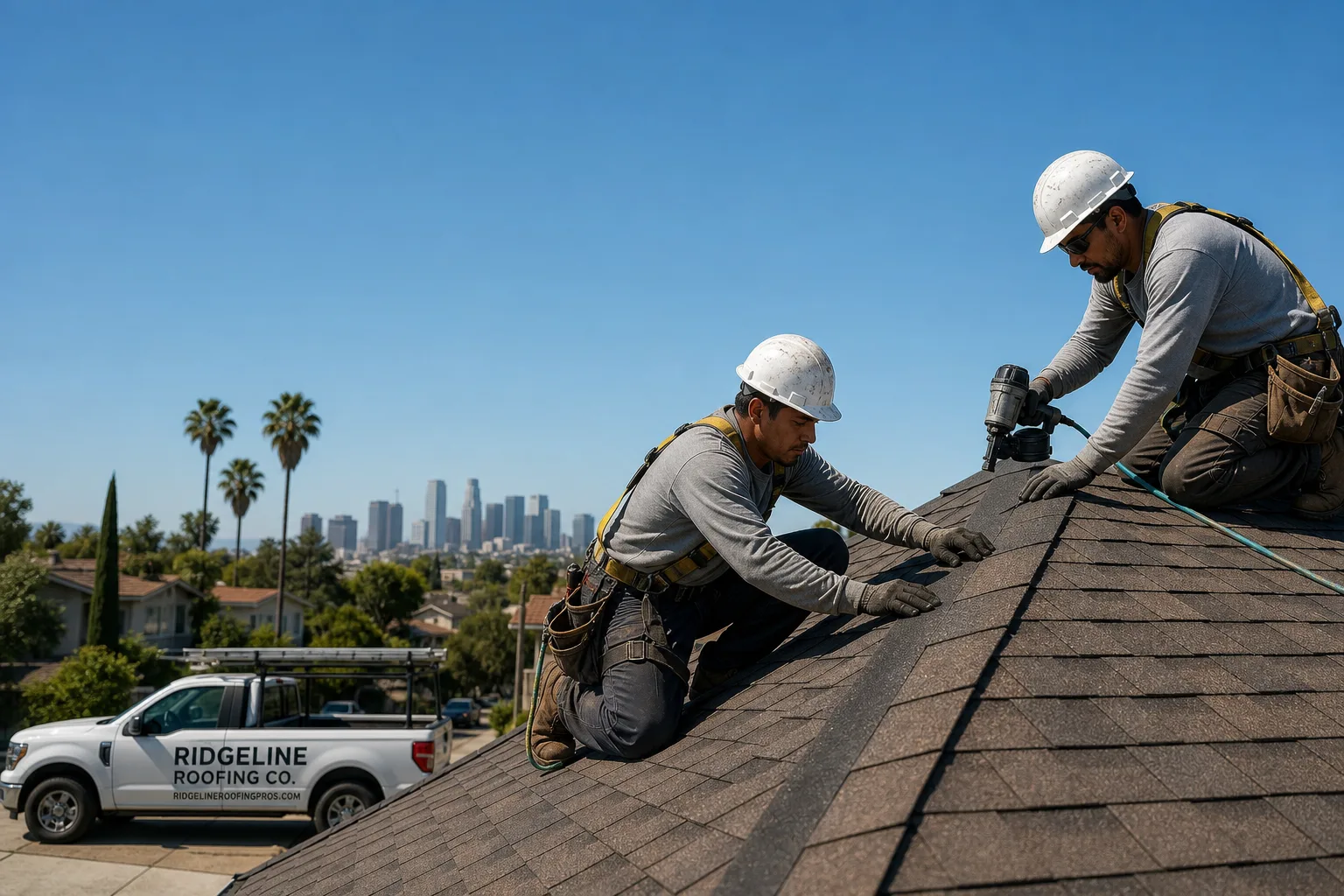
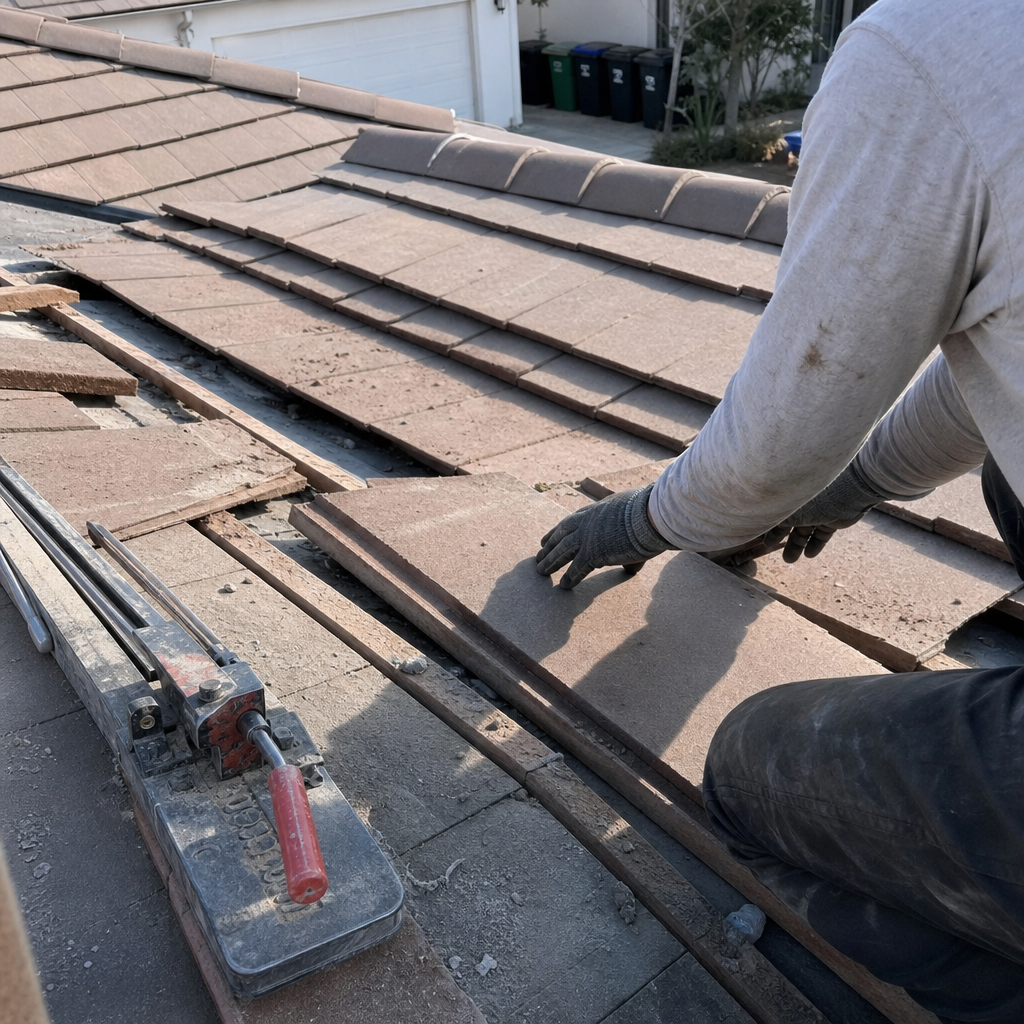
Fast, Reliable Specialty Roofing Across Denver
Specialty roofing in Denver runs $8,500-$22,000 depending on system type, with most commercial and residential flat-roof projects completed in 2-5 business days. Ridgeline Roofing Co. answers live 24/7 at (844) 563-1816, and our crews are on Denver roofs year-round, not just after hailstorms blow through. We’ve been at this since 2016, and we know the difference between a roof that looks fine from the driveway and one that will hold up through another decade of Front Range weather.
Denver sits at 5,280 feet in the crosshairs of hail alley, where spring storms off the Front Range hammer neighborhoods like Capitol Hill, Congress Park, and Washington Park with golf-ball-sized ice. That elevation also means UV radiation degrades roofing materials faster than it does in lower-altitude cities like Pueblo or Fort Collins. Our Specialty Roofing team designs systems for that exact dual threat: impact resistance against hail, plus membranes and coatings that won’t embrittle under intense high-altitude sun.
We answer our phones live, day or night. A real person, not a menu tree. If you’ve got water coming through a modified bitumen seam or a TPO field weld that’s popped after last week’s Chinook wind swing, we’ll get someone out to look at it.
Why Ridgeline Roofing Co. Is Denver’s Preferred Specialty Roofing Company
We’ve been standing behind roofs for over 10 years, since 2016. That’s not a marketing number; it’s how long Pete Navarro and our crews have been showing up, doing the work, and coming back if something isn’t right. We’re not storm chasers in trucks with out-of-state plates. We hire local crews, train apprentices into journeymen, and plan to be here in thirty years.
Denver homeowners know the difference. After the 2022 and 2023 hail seasons, we replaced or restored specialty roofing systems across ZIP codes 80207, 80208, 80209, and 80210. Our customers in Baker and Curtis Park remember the last contractor who patched their roof cheap and disappeared. They call us because we document every inspection with photos from their actual roof, present upfront pricing that matches the final invoice, and back it all with our written 90-Day Done Right Promise - no paperwork, no arguing, we just make it right.
Response time to central Denver neighborhoods typically runs same-day to next-morning for non-emergency assessments. For active leaks or post-storm damage, we prioritize calls by severity and safety. Our technicians are background-checked, uniformed, and held to the standard we’d expect in our own mother’s home.
Our Specialty Roofing Services in Denver
Modified Bitumen Roofing
Modified bitumen is our most-requested system for Denver’s low-slope commercial buildings and residential additions. The multi-ply construction with APP or SBS modifiers holds up to foot traffic, hail impact, and the thermal shock of Chinook swings better than single-ply alternatives in many applications. In the 80209 and 80210 ZIPs, we install modified bitumen over tapered insulation to improve drainage on aging structures where settling has created ponding areas. A typical modified bitumen installation in Denver runs $12,000-$18,000 for a 2,000-square-foot roof, including tear-off of existing layers.
TPO Roofing
TPO’s white reflective surface cuts cooling loads significantly for Denver buildings with south-facing exposures that bake at 5,280 feet. We weld seams with automated hot-air equipment, not hand-held units that leave weak points. For the flat-roofed commercial buildings along Colfax and in the Santa Fe Arts District, TPO offers a 20-30 year lifespan with proper maintenance. Denver’s UV intensity makes the reflective value pay back faster here than in cloudier climates. Expect $10,000-$16,000 installed for typical commercial applications, with thicker 80-mil membranes recommended for hail-prone zones.
Built-Up Roofing (BUR)
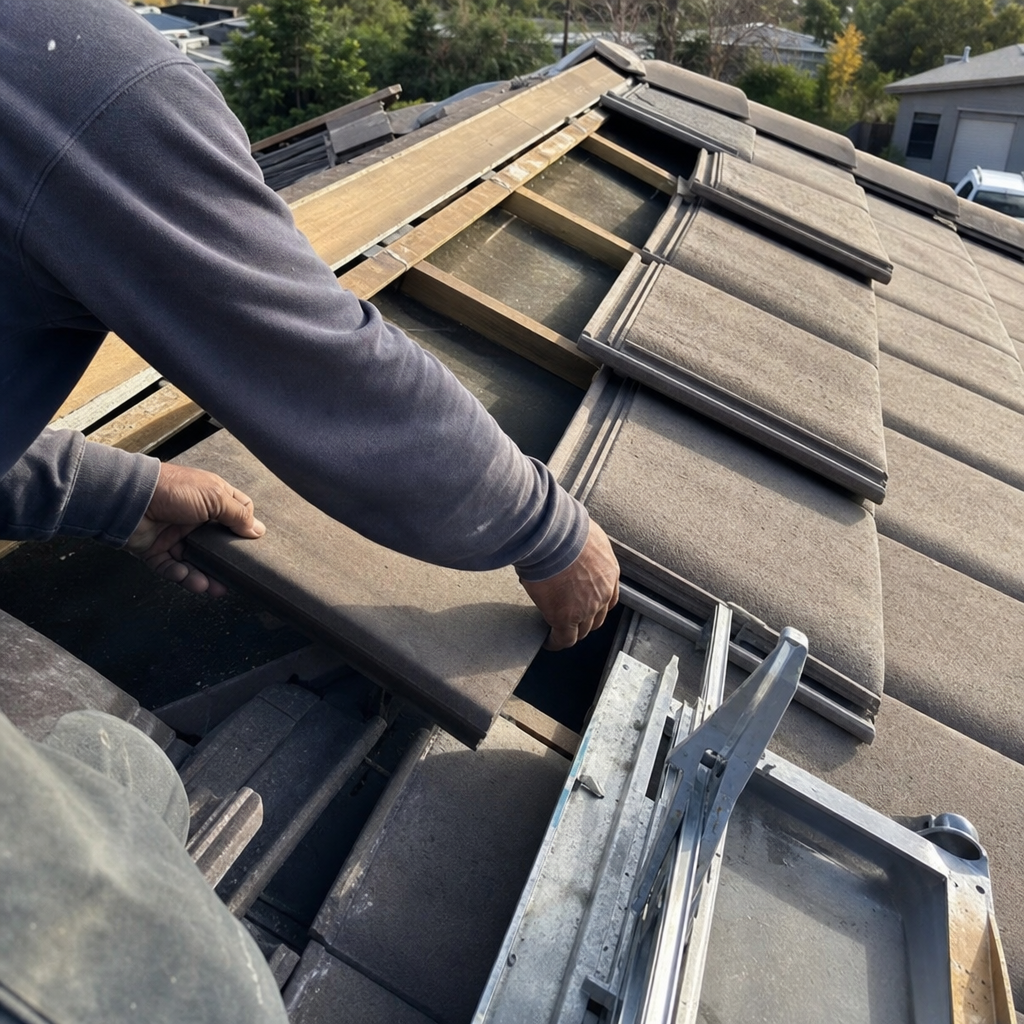
The old-school gravel-surfaced built-up roof still has a place in Denver, especially on historic commercial buildings where appearance codes or structural load limits matter. Multiple felt layers saturated with hot asphalt create a monolithic barrier that absorbs hail impact without puncture. We install BUR systems with modified cap sheets for enhanced flexibility during those 40-50°F Chinook temperature swings. In Capitol Hill and Congress Park, where building departments scrutinize changes to landmark structures, BUR often satisfies both code and preservation requirements. Pricing starts around $14,000 for smaller commercial roofs and climbs with access difficulty and ply count.
EPDM Roofing
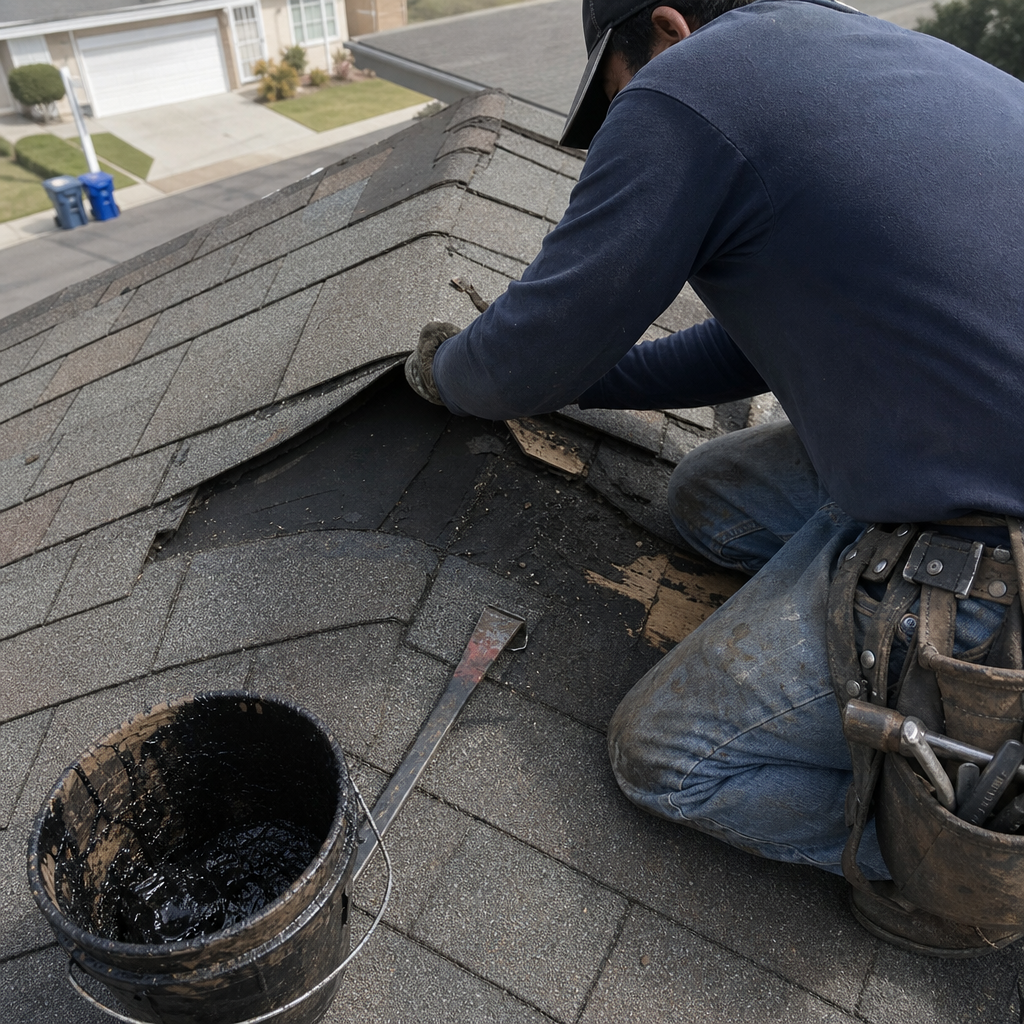
EPDM rubber membrane remains a cost-effective choice for Denver’s detached garages, carports, and secondary structures. The black surface absorbs winter heat, which helps shed snow loads, though it runs warmer in summer than reflective alternatives. We ballast or fully adhere EPDM depending on wind exposure, with ballasted systems preferred where Chinook gusts are a concern. A standard residential EPDM installation in Denver ranges $8,500-$13,000.
Solar Ready Roofing
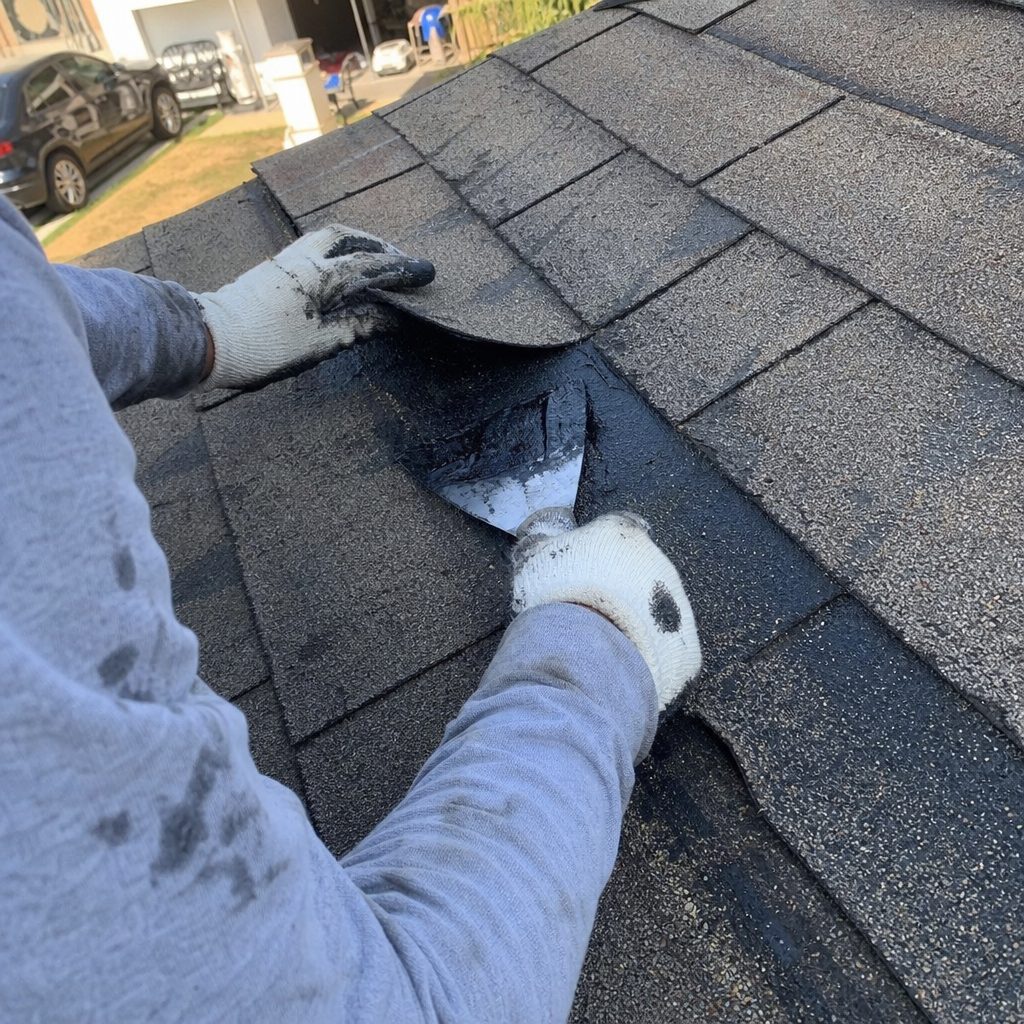
With Denver’s 300-plus annual sunny days and progressive solar incentives, we’re installing more solar-ready substrate systems than ever. These integrate reinforced mounting points, conduit pathways, and compatible membranes so panel installation doesn’t compromise roof integrity. On older bungalows in Baker with wood sheathing, we often need to upgrade decking to structural plywood before the solar-ready membrane goes down. That extra step prevents the pulled fasteners and leaks we’ve seen where panels were bolted to 1×6 boards that couldn’t hold the load.
What happens when you call
- 1
A real person answersNo phone trees - you reach a local pro.
- 2
You get an upfront price rangeHonest numbers before anyone is dispatched.
- 3
A background-checked tech heads outLicensed & insured, dispatched right away.
- 4
You approve before work beginsNothing starts until you say go.
Trusted Brands We Service in Denver
We are authorized installers for seven manufacturer lines: GAF, CertainTeed, Owens Corning, IKO, Atlas, Tamko, and Boral. For Denver’s conditions, we frequently specify GAF’s WeatherWatch leak barrier and modified bitumen systems, Atlas’s StormMaster Slate impact-rated shingles for steep-slope transitions, and Tamko’s Heritage series where UV resistance and color stability matter. We stock common membrane widths, fasteners, and adhesives locally, so repairs don’t wait on freight from the coasts. When a Capitol Hill property manager calls with a TPO seam failure before a forecasted storm, we can often source same-day material and have the weld repaired before the rain hits.
Common Specialty Roofing Problems We See in Denver Homes
- Wind-uplift of ridge caps and flashing from Chinook temperature swings. Those rapid 40-50°F warm-air intrusions expand and contract metal flashings and sealants repeatedly. We find cracked caulking and lifted termination bars on TPO and modified bitumen edges, especially where installers used generic sealants rated for milder climates.
- Impact damage from repeat hail events that punctures upper shingle layers while masking leaks below. In Washington Park and Congress Park, we’ve pulled back apparently intact specialty cap sheets to find fractured underlayment and saturated insulation. The leak doesn’t show immediately; it shows three months later as a brown spot on the ceiling.
- Premature granular loss and embrittlement from 5,280-foot UV exposure. South-facing slopes on Denver roofs lose protective granules years faster than north faces. On modified bitumen and built-up roofs, UV degrades the polymer modifiers that give the material flexibility, leading to alligator cracking that invites water intrusion.
- Multiple shingle layers over decayed wood sheathing in pre-1940s housing stock. In Baker and Curtis Park, we routinely encounter three-plus layers of asphalt over original 1×6 board sheathing that has turned soft from decades of trapped moisture. The quick post-hail overlay jobs from past storm years created a hidden liability that turns a simple re-roof into a full decking replacement once the first layer comes off.
Roofing in Denver Built on the Ridge
The Front Range throws hail, wind, and hard sun at the same roof. In Denver, most neighborhoods are hitting that twenty-year mark where shingles start talking. We climb up, shoot the photos, and show you what we see, no scary stories in the driveway. If your insurer needs documentation, we handle the paperwork, not the hard sell. Every Ridgeline crew works under our K.E.Y.S. code - Krafted right, Every time, Your home first, and Standing behind it. we coordinate through our Denver Metro service area
The Keystone Standard backs every job: 90 days, in writing, no arguing. We’ll be there when we say, and there won’t be surprises on the bill. Mention our Senior & Veteran discount when you call.
Pricing for Specialty Roofing in Denver, CO
Here’s what specialty roofing costs in Denver’s current market, based on jobs we’ve completed across the metro:
- TPO Roofing: $10,000-$16,000 (commercial flat roof, 2,000 sq ft, 60-80 mil membrane)
- Modified Bitumen: $12,000-$18,000 (multi-ply system with proper insulation)
- Built-Up Roofing (BUR): $14,000-$22,000 (4-ply with gravel or modified cap sheet)
- EPDM Rubber: $8,500-$13,000 (residential secondary structures)
- Solar Ready Roofing: $13,000-$20,000 (includes structural decking upgrade where needed)
These ranges assume full tear-off to bare decking, which Denver building code requires once a roof exceeds two layers of shingles or when existing decking is compromised. Wood sheathing replacement adds $3-$5 per square foot. The number on our estimate is the number on your invoice. No surprises, no upsell after we’ve started. Call (844) 563-1816 for a free, exact quote on your specific roof.
We Also Serve Cities Near Denver
Our crews work across the Front Range metro, including Denver proper plus Lakewood, Wheat Ridge, Commerce City, and Englewood. Each municipality has its own permit requirements and inspection schedules; we handle that paperwork so you don’t have to. Whether you’re in central Denver or the near suburbs, the same live-answer phone and same 90-Day Done Right Promise applies.
Serving Denver, CO - Our Local Coverage Area
We’re based in the Denver area and know this community well. Use the map below to see our service coverage - if you’re nearby, we can almost certainly help.
FAQs - Specialty Roofing in Denver
Denver’s 5,280-foot elevation exposes roofing materials to approximately 25% more UV radiation than sea-level cities, accelerating oxidation and embrittlement of asphalt-based products. This creates a dual failure mode: storm impact damage plus premature UV aging that no neighboring Front Range city experiences in the same combination. We specify UV-stabilized TPO, modified bitumen with enhanced polymer content, and reflective coatings to counter this effect. Call (844) 563-1816 and we’ll walk through which system fits your exposure.
Yes, Denver requires a building permit for any full roof replacement, and a separate right-of-way permit if the dumpster or material staging occupies street space. We pull permits as part of our standard process, schedule inspections, and ensure code compliance including the two-layer maximum shingle rule. Most Denver permits for specialty roofing run $300-$600 depending on project scope. We’ll handle the paperwork; you don’t need to visit the permit office.
Usually yes, but the wood sheathing must be upgraded first. Original 1×6 board sheathing in Baker, Curtis Park, and Capitol Hill bungalows won’t hold solar panel fasteners to wind-load standards. We replace it with structural plywood, then install the solar-ready membrane with integrated mounting blocks. In a Capitol Hill Victorian with three layers of asphalt over 1×6 board sheathing, we installed a GAF WeatherWatch impact-resistant shingle system with an ice-and-water shield to combat Denver’s hail and UV. The old decking had turned soft from trapped moisture, requiring a full plywood replacement before the new roof could go on. Budget $3-$5 per square foot for the decking upgrade.
Fully adhered or mechanically fastened TPO with reinforced membrane, or multi-ply modified bitumen with proper edge securement, outperform loose-laid systems during Chinook wind cycles. The key is fastening patterns and sealant specifications rated for repeated thermal expansion-contraction, not just static wind pressure. We specify fasteners at 6-inch centers on perimeters and use high-grade polyurethane sealants that remain flexible across Denver’s temperature swings. Call (844) 563-1816 for a free assessment of your current edge details.
Denver building code allows a maximum of two roofing layers; any roof with two existing layers must be fully torn off to bare decking before new material is installed. In practice, many central Denver homes in 80207, 80208, 80209, and 80210 already hit this limit from successive post-hail overlays. We inspect with a core cut before quoting, so you know before work starts whether tear-off is required. Estimates are free; call (844) 563-1816 to schedule.
Written by Pete Navarro, Owner at Ridgeline Roofing Co., serving Denver since 2016.