
Fast, Reliable Specialty Roofing Across Seattle
Specialty roofing in Seattle runs $8,500-$24,000 depending on system type, with most TPO and EPDM flat-roof projects completed in two to four days and Solar Ready installations taking five to seven. Our crews are on Seattle roofs year-round, from the steep-pitched Craftsman bungalows of Wallingford to the low-slope apartment buildings crowding Capitol Hill and First Hill. We carry GAF, CertainTeed, and Atlas materials on our trucks, so we rarely wait on deliveries that can stretch a job across wet weekends. Call (844) 563-1816 and a live person answers, 24 hours a day - no voicemail, no callback window.
Seattle’s housing demands a roofer who understands more than shingles. The 1910s-1940s stock in ZIPs 98102, 98103, 98107, and 98109 features complex dormers, multiple penetrations, and flashing details that fail slowly under 150-plus overcast days of drizzle each year. Low-slope commercial and multi-family roofs in the urban core need TPO or EPDM systems entirely different from residential pitched work. Our Specialty Roofing team handles both, with photo-documented inspections and no-hassle upfront pricing - the number we quote is the number you pay.
Why Ridgeline Roofing Co. Is Seattle’s Preferred Specialty Roofing Company
We’ve been standing behind roofs since 2016 - over 10 years - and we hire local crews who train apprentices into journeymen, not transient labor that clears out before the moss grows back. Homeowners in Ballard, Fremont, and Queen Anne know our trucks because we’ve worked on their streets for decades, not storm seasons.
Our reviews come from people who remember the last contractor who let them down. They mention the same things: a live person picked up at 10 p.m. during a January downpour. The technician arrived in uniform, background-checked, with photos from their actual roof, not a scare story in the driveway. The 90-Day Done Right Promise meant no paperwork, no arguing - we simply came back and made it right when a flashing detail needed adjustment.
Response time to Seattle neighborhoods averages same-day or next-morning, because our dispatchers know which alleys handle box trucks and which require hand-carrying materials through narrow townhome passages. We understand the parking constraints around Seattle’s dense urban core, the permit rhythms of the Seattle Department of Construction and Inspections, and why zinc-strip installation isn’t an upsell here - it’s standard practice that separates a roof that lasts from one that greens over by year three.
Our Specialty Roofing Services in Seattle
Solar Ready Roofing
Seattle’s solar market has accelerated, but too many homeowners discover their roof can’t support panel loads after the fact. We engineer Solar Ready systems with reinforced decking, proper uplift calculations for Puget Sound wind exposure, and penetration flashings designed for the 25-year panel lifespan. In neighborhoods like Fremont and Wallingford, where mature Douglas firs and big-leaf maples cast heavy shade, we also factor in tree-growth patterns and recommend panel placement that won’t be swallowed by canopy expansion. A typical Solar Ready roof in Seattle runs $12,000-$18,000 for residential pitched applications, with integrated conduit runs and structural upgrades that save $2,000-$4,000 when panels are added later.
TPO Roofing
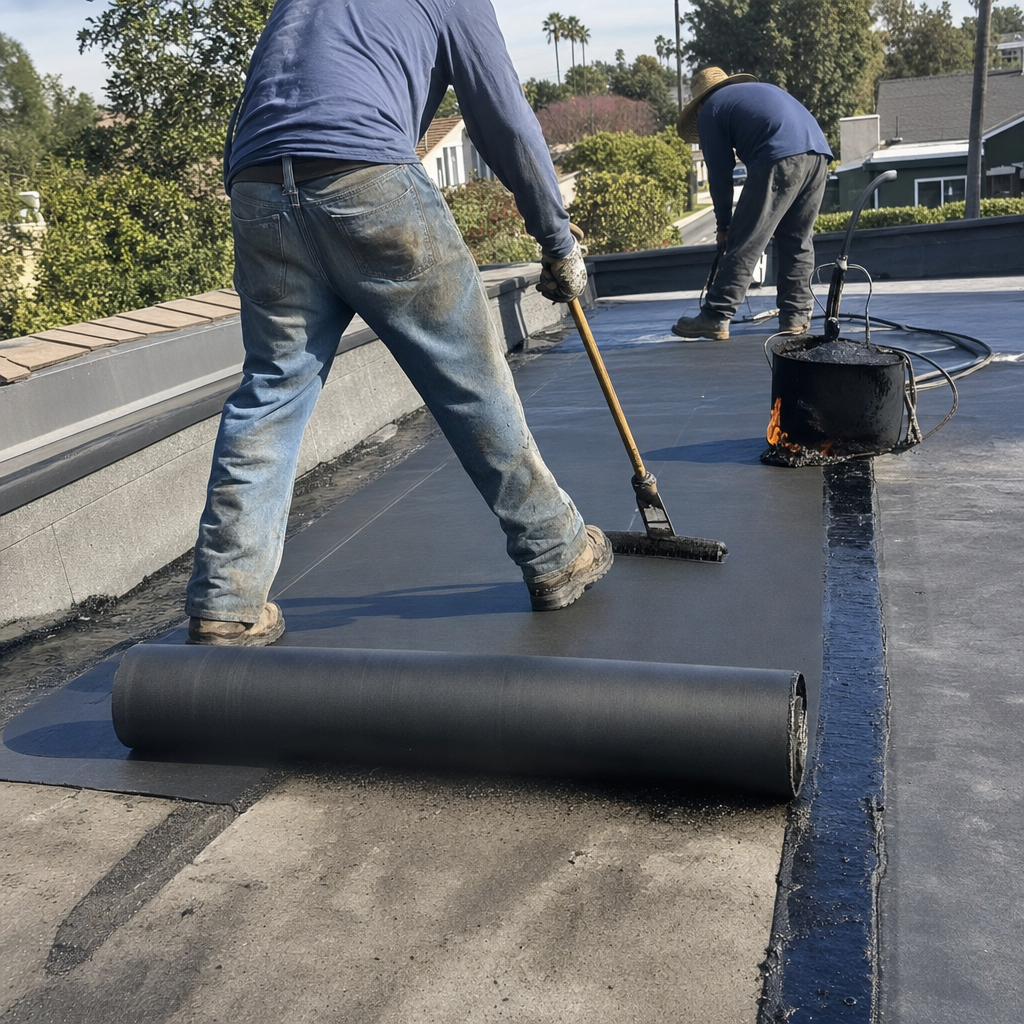
TPO single-ply membrane dominates Seattle’s low-slope commercial and multi-family market for good reason: the white reflective surface reduces cooling loads during the brief but intense summer sun exposure, and heat-welded seams hold up against the city’s persistent moisture. We install GAF and CertainTeed TPO systems on Capitol Hill apartment buildings, Ballard mixed-use developments, and First Hill medical offices where drainage is often compromised by rooftop mechanical equipment. A typical TPO installation in Seattle runs $8,500-$15,000 for residential-scale projects, $18,000-$35,000 for commercial flat roofs with complex penetrations. We recently replaced a failed TPO low-slope roof on a 1920s Capitol Hill apartment building where heavy shade from a mature Douglas fir had caused persistent moss growth and flashing corrosion. We installed GAF Liberty shingles with integrated zinc strips along the ridge - a near-standard in Ballard and Wallingford - and upgraded the alley-load garage opener to a rolling-code system to resolve a security vulnerability the previous roofer had ignored.
EPDM Roofing
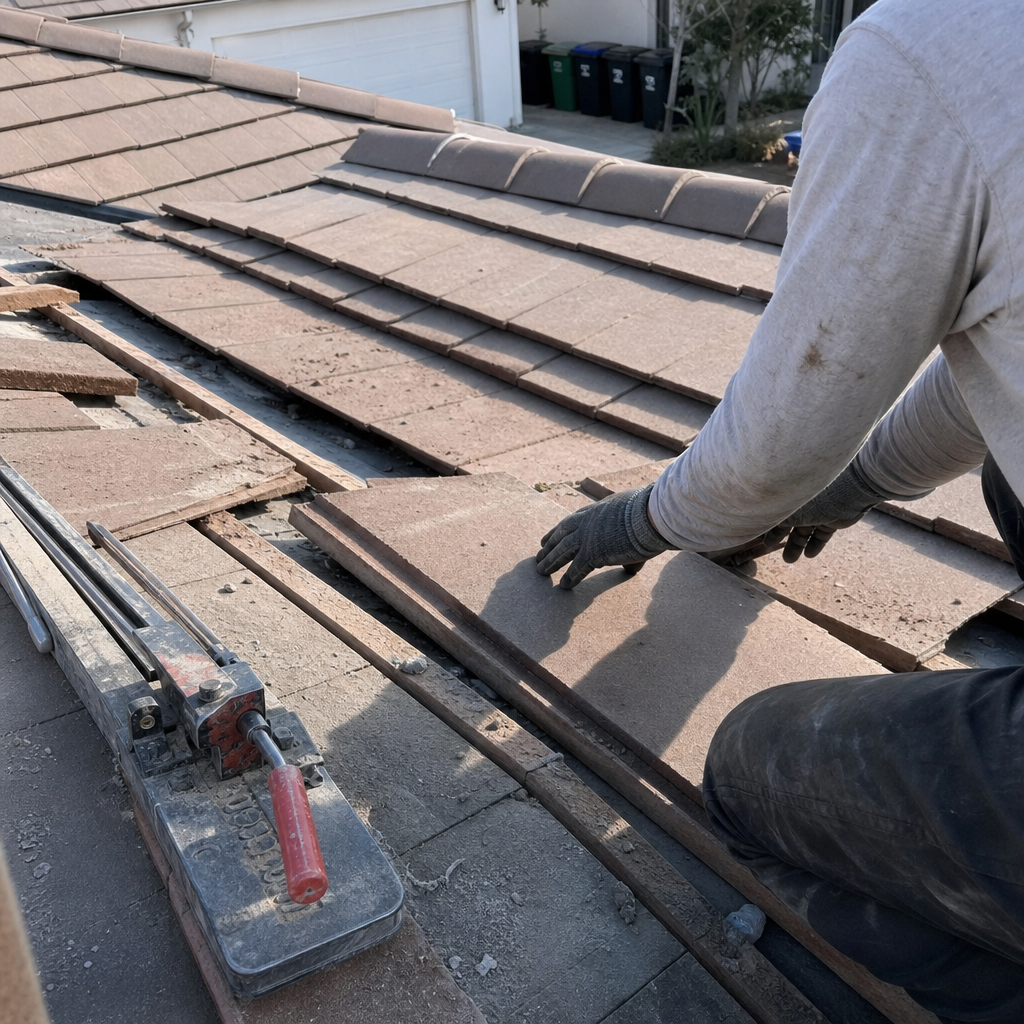
EPDM rubber membrane remains the choice for Seattle buildings with ponding-water risk, particularly older Capitol Hill and First Hill structures where inadequate drainage meets heavy tree canopy. The black surface absorbs winter warmth, which helps shed the light drizzle that never quite freezes but never fully evaporates either. We install fully adhered and mechanically attached EPDM systems with tapered insulation packages to address ponding, using Atlas and Tamko accessories where specified. EPDM in Seattle typically runs $9,000-$16,000 residential, with 20-year system warranties available through authorized installation protocols.
Green Roof
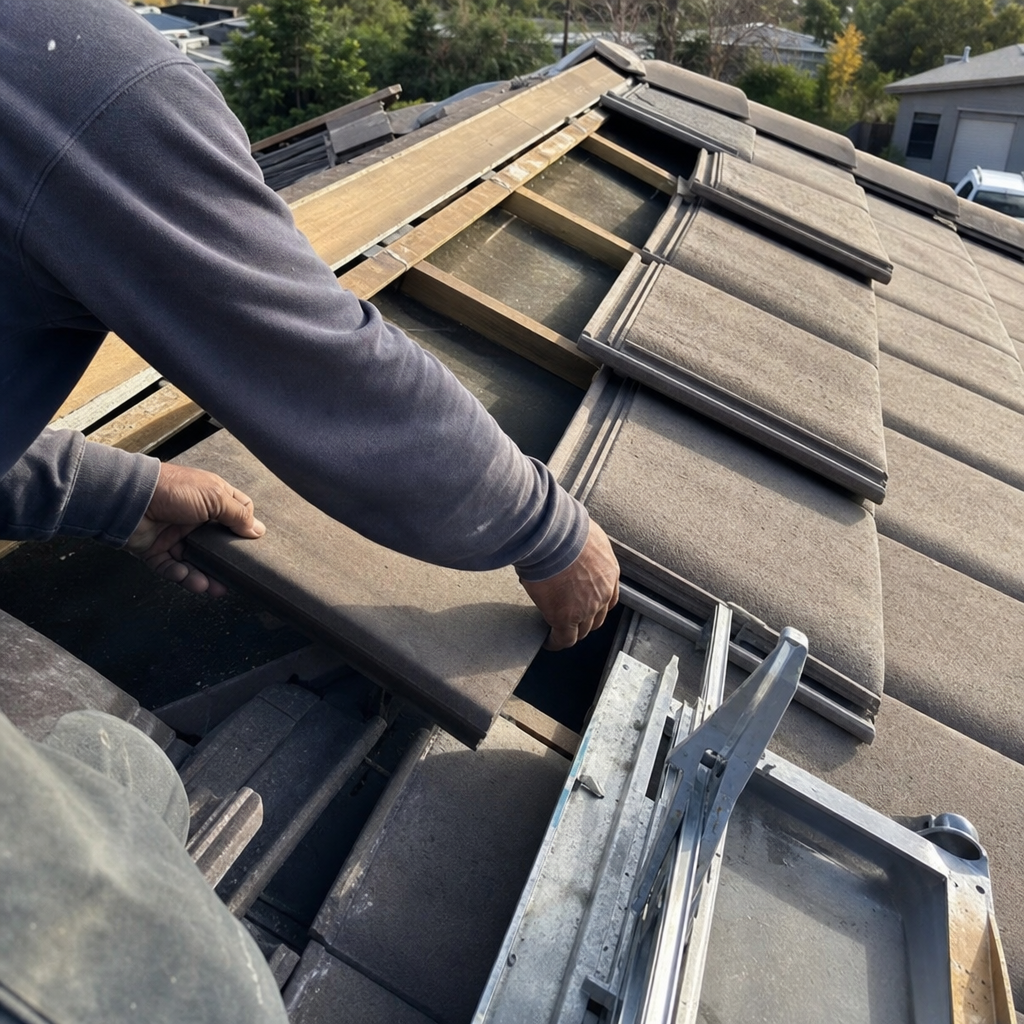
Seattle’s stormwater regulations and density bonuses have made green roofs increasingly practical for new construction and major renovations, but the load calculations and waterproofing details separate successful installations from expensive failures. We engineer green roof systems with redundant drainage mats, root-barrier membranes, and irrigation integration sized for Seattle’s dry July-September stretch. On low-slope commercial structures in the urban core, we’ve installed extensive green systems with sedum mats that handle the marine climate without summer irrigation beyond establishment year. Green roof systems in Seattle start around $22,000 for residential-scale extensive applications, with intensive systems running $35,000-$55,000 depending on soil depth and plant palette.
Modified Bitumen
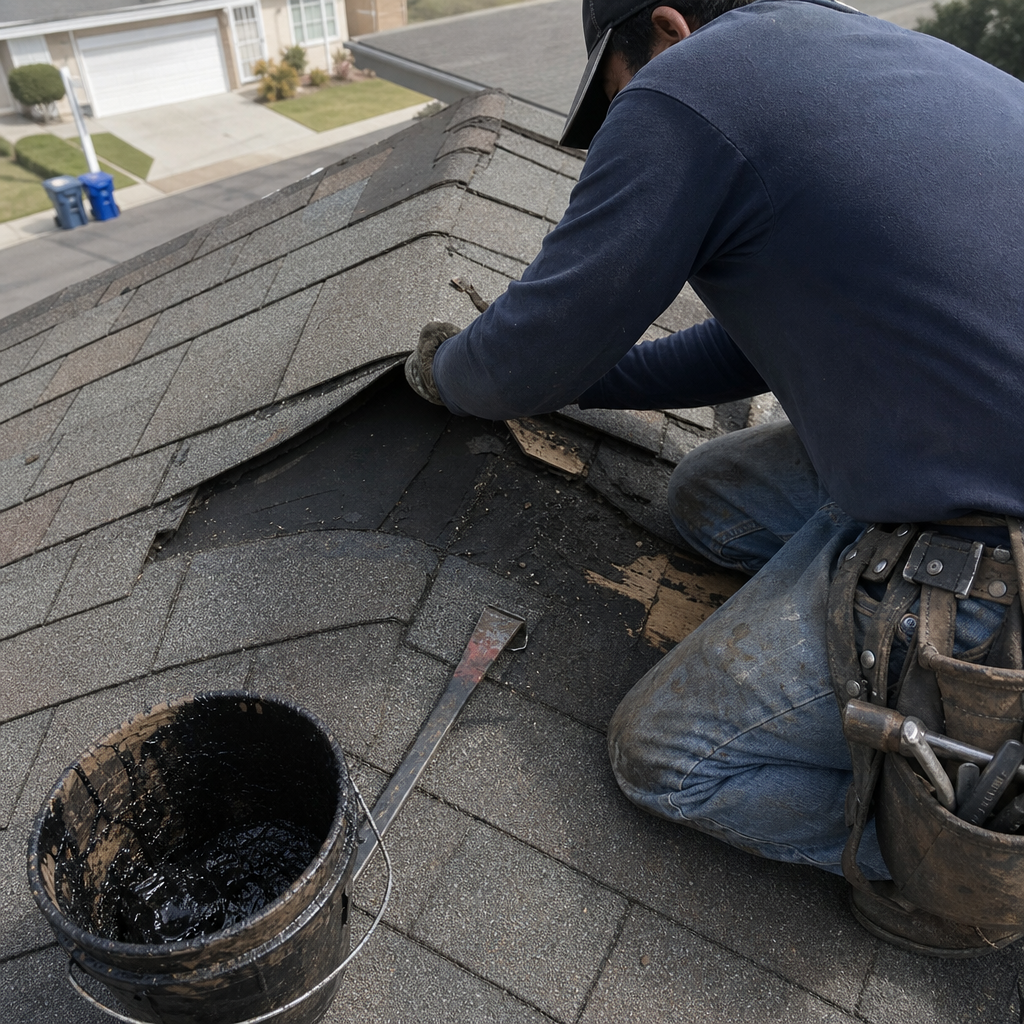
For Seattle buildings needing the durability of built-up roofing with faster installation, modified bitumen provides multi-ply redundancy in a torch-applied or self-adhering package. We specify this for restaurant and service buildings where grease emissions degrade single-ply membranes, and for older structures with substrate conditions that benefit from the forgiveness of asphalt-based systems. Modified bitumen in Seattle typically runs $10,000-$17,000 for low-slope residential and light commercial applications.
What happens when you call
- 1
A real person answersNo phone trees - you reach a local pro.
- 2
You get an upfront price rangeHonest numbers before anyone is dispatched.
- 3
A background-checked tech heads outLicensed & insured, dispatched right away.
- 4
You approve before work beginsNothing starts until you say go.
Trusted Brands We Service in Seattle
We are authorized installers for GAF, CertainTeed, Owens Corning, Atlas, Tamko, and Boral - seven manufacturer lines, no substitutions without your written approval. For Seattle customers, this means we stock common membrane rolls, flashing components, and specialty fasteners locally rather than ordering from distribution centers across the mountains. When a Ballard homeowner needs a TPO patch match or a Queen Anne Victorian requires period-appropriate Boral clay tile, we pull from inventory we’ve already verified for Pacific Northwest compatibility. Fast turnaround matters in a city where the next drizzle is rarely more than 48 hours away.
Common Specialty Roofing Problems We See in Seattle Homes
- Moss colonization accelerates granule loss. Seattle’s persistent low-intensity drizzle keeps shingles damp for weeks, and the heavy shade from Douglas firs creates ideal moss habitat. We install zinc or copper ridge strips as near-standard practice - the metal ions leach downslope with rainfall and suppress regrowth for years. Annual inspection and strip replacement every 8-12 years costs far less than premature full replacement.
- Flashing failures on steep-pitch Craftsman dormers. The 1910s-1940s housing stock in Fremont and Queen Anne features complex gable roofs with multiple penetrations - chimneys, vent stacks, skylights - where step flashing corrodes slowly under constant moisture. Out-of-area roofers often miss the subtle staining that precedes interior damage by months.
- Low-slope EPDM ponding under heavy shade. Older Capitol Hill apartment buildings with inadequate drainage and mature tree canopy develop standing water that degrades membrane adhesive and accelerates seam failure. We address this with tapered insulation and strategic drain placement, not just membrane patches that fail again in two seasons.
- Alley-access constraints complicate material delivery. Seattle’s urban core townhomes and multi-family buildings often lack front-yard access, requiring coordinated crane placement, hand-carrying, or specialized boom trucks. We survey access before quoting, so you’re not surprised by a last-minute equipment rental that wasn’t in the estimate.
Roofing in Seattle That Stands the Ridge
The Pacific Northwest rain finds every weak seam. Ridgeline crews know the local roof stock, the moss patterns, and the insurance adjusters who actually answer the phone. We show you photos from your own ridge line, not a sales pitch in the driveway. Krafted right, every time, with journeymen who treat your home like their mother’s. we coordinate through our Seattle Metro service area
First repair over $250? Take $50 off. The Keystone Standard applies to every job: 90 days, in writing, no arguing. We’ll be there when we say.
Pricing for Specialty Roofing in Seattle, WA
| System Type | Typical Range (Seattle) | Notes |
|---|---|---|
| TPO (low-slope, residential) | $8,500-$15,000 | Penetrations, insulation recovery affect final |
| EPDM (low-slope, residential) | $9,000-$16,000 | Ponding remediation adds $1,500-$4,000 |
| Modified Bitumen | $10,000-$17,000 | Torch vs. self-adhered, substrate condition |
| Solar Ready (pitched) | $12,000-$18,000 | Structural upgrades, conduit runs included |
| Green Roof (extensive) | $22,000-$35,000 | Soil depth, irrigation, plant selection variable |
| Green Roof (intensive) | $35,000-$55,000 | Deeper soil, diverse plantings, structural review |
What moves you within these ranges: roof area, existing substrate condition, access complexity (alley-load jobs in Capitol Hill or Belltown may need specialized equipment), and whether we’re addressing active leaks or planned replacement. We provide written, itemized estimates with no obligation - the number on the page is the number on the invoice. Call (844) 563-1816 for scheduling; estimates are free and typically completed within 48 hours of your call.
We Also Serve Cities Near Seattle
Our crews regularly cross Lake Washington for Specialty Roofing in Seattle area projects in Bellevue, Kirkland, and Redmond, where the housing stock shifts to newer construction with different membrane and drainage considerations. We also work north to Shoreline, where the same marine climate patterns apply but with more mid-century ranch stock that needs careful evaluation before Solar Ready conversion. Same standards, same live-answer phones, same 90-Day Done Right Promise - wherever your roof sits in the metro.
Serving Seattle, WA - Our Local Coverage Area
We’re based in the Seattle area and know this community well. Use the map below to see our service coverage - if you’re nearby, we can almost certainly help.
FAQs - Specialty Roofing in Seattle
Zinc strips suppress moss growth by releasing metal ions with every rainfall, and in Seattle’s marine climate with 150-plus overcast days and heavy tree shade, moss colonization begins within 18-24 months without this protection. The strips are installed at the ridge and key hips, with replacement recommended every 8-12 years depending on tree canopy density. In drier Pacific Northwest cities like Spokane, this isn’t standard practice; here, it’s the difference between a 25-year roof and one that needs replacement at year 15. Call (844) 563-1816 and we’ll show you the condition of your current strips during a free inspection.
Yes - we use interior ladder access, boom trucks with alley-reach capability, or suspended platform systems that minimize ground footprint, depending on building height and alley width. We coordinate with Seattle DOT for any necessary parking restrictions rather than improvising and risking your relationship with neighboring properties. Most TPO repairs on Capitol Hill four-plex and six-plex buildings complete in a single day with no alley blockage. Call (844) 563-1816 to discuss access for your specific building.
Rolling-code openers aren’t legally mandated by Seattle building code, but they’re strongly recommended for any alley-load or shared-access garage in Capitol Hill, Belltown, or similar dense neighborhoods where fixed-code remotes create genuine security vulnerabilities. We install these as standard on our integrated roofing and door projects, and we can upgrade existing openers without full door replacement. The incremental cost is typically $180-$340 over a fixed-code unit. Call (844) 563-1816 for a security assessment of your current setup.
Generally no - green roofs require slopes under 30 degrees for soil retention and irrigation distribution, and most Seattle Craftsman bungalows in Wallingford or Fremont feature 45-degree-plus gables. For these homes, we recommend Solar Ready roofing with moss-resistant shingles and zinc strips instead. Green roofs excel on the low-slope additions, dormers, and commercial structures common in the urban core. We evaluate slope, structural load capacity, and drainage during every free estimate. Call (844) 563-1816 to discuss what makes sense for your specific roof geometry.
Seattle’s moss and algae pressure is measurably more severe due to denser mature tree canopy, more pronounced marine air influence, and less summer drying time - Portland gets more total rain but with clearer intervening days that let roofs dry. This means Seattle installations require more aggressive zinc-strip protocols, more frequent inspection intervals, and material selections specifically rated for sustained moisture exposure. A TPO or EPDM system that performs adequately in Portland may fail prematurely in Seattle without enhanced drainage detailing. Our estimates account for this local factor; generic Pacific Northwest specifications don’t. Call (844) 563-1816 for a Seattle-specific assessment.
Written by Pete Navarro, Owner at Ridgeline Roofing Co., serving Seattle since 2016.